
Colombo’s Best Rooftop Bars offer far more than just a skyline. Knowing what each rooftop offers helps you avoid overpriced drinks, crowds, and the wrong atmosphere. Here’s an honest comparison of Colombo’s top rooftop bars and what makes each one worth visiting.
Sitting 100 metres above Marine Drive, The Bar On The Top at Granbell Hotel is hard to argue with on height alone. The interior bar blends into a lush outdoor terrace, and the Indian Ocean views during sunset are genuinely impressive. The menu spans Japanese cocktails, arrack-based specials, and an international food spread.
For those who want a polished, resort-style experience with a poolside jacuzzi thrown in, Granbell delivers. It skews slightly premium in pricing. Best for date nights, client entertaining, or when you want the full skyline experience without feeling like you’re in a busy bar.
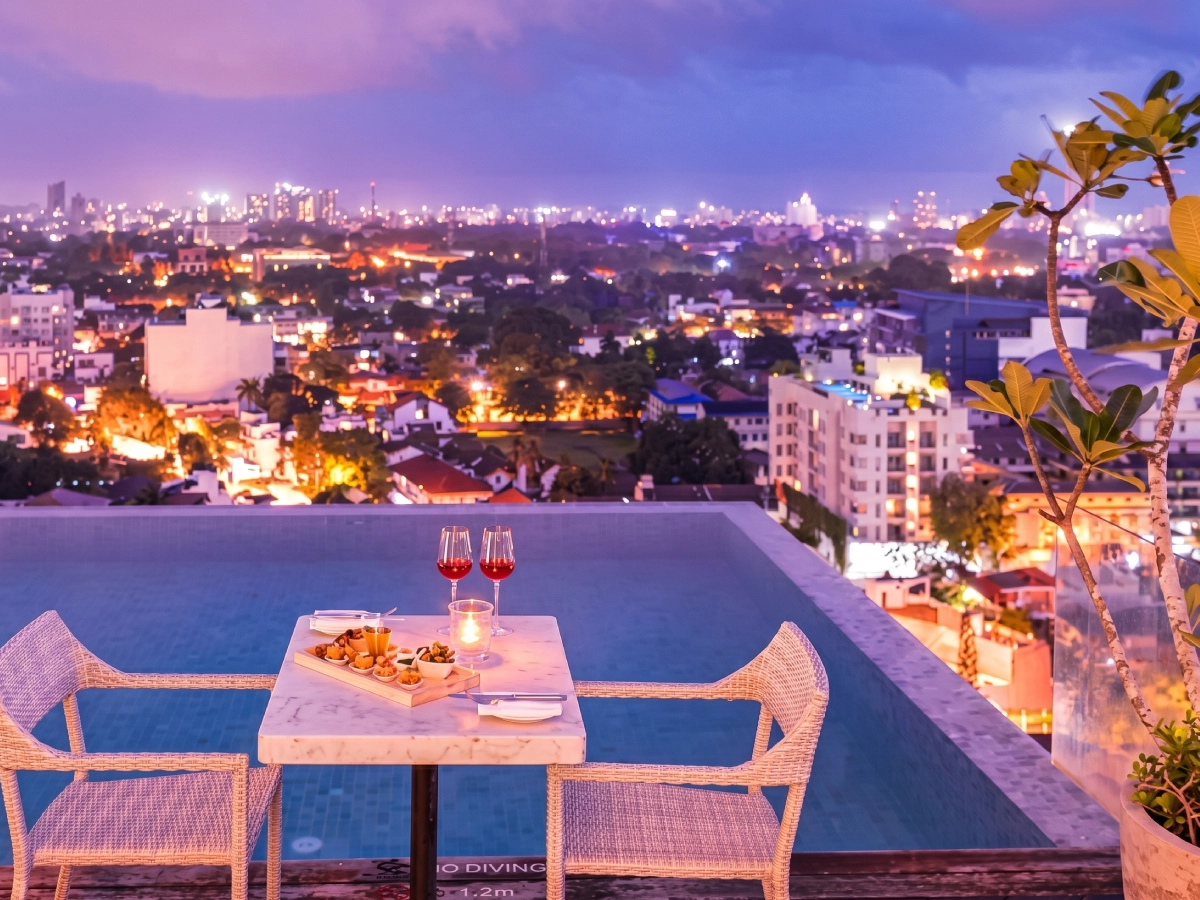
Perched on the 26th floor of Cinnamon Red Hotel, Cloud Red is one of the highest aerial lounges in the city. It mixes a sharp interior lounge with open-air terrace seating, covering both ocean and city panoramas. The atmosphere runs stylish and social, more cocktails-with-friends than quiet evening dinner.
The menu focuses on tapas-style bites that pair well with its strong cocktail list. Good for groups, good for after-work drinks, and excellent for photos. If a high floor and trendy vibe matter most to you, Cloud Red earns its spot on any shortlist of Colombo elevated bars.
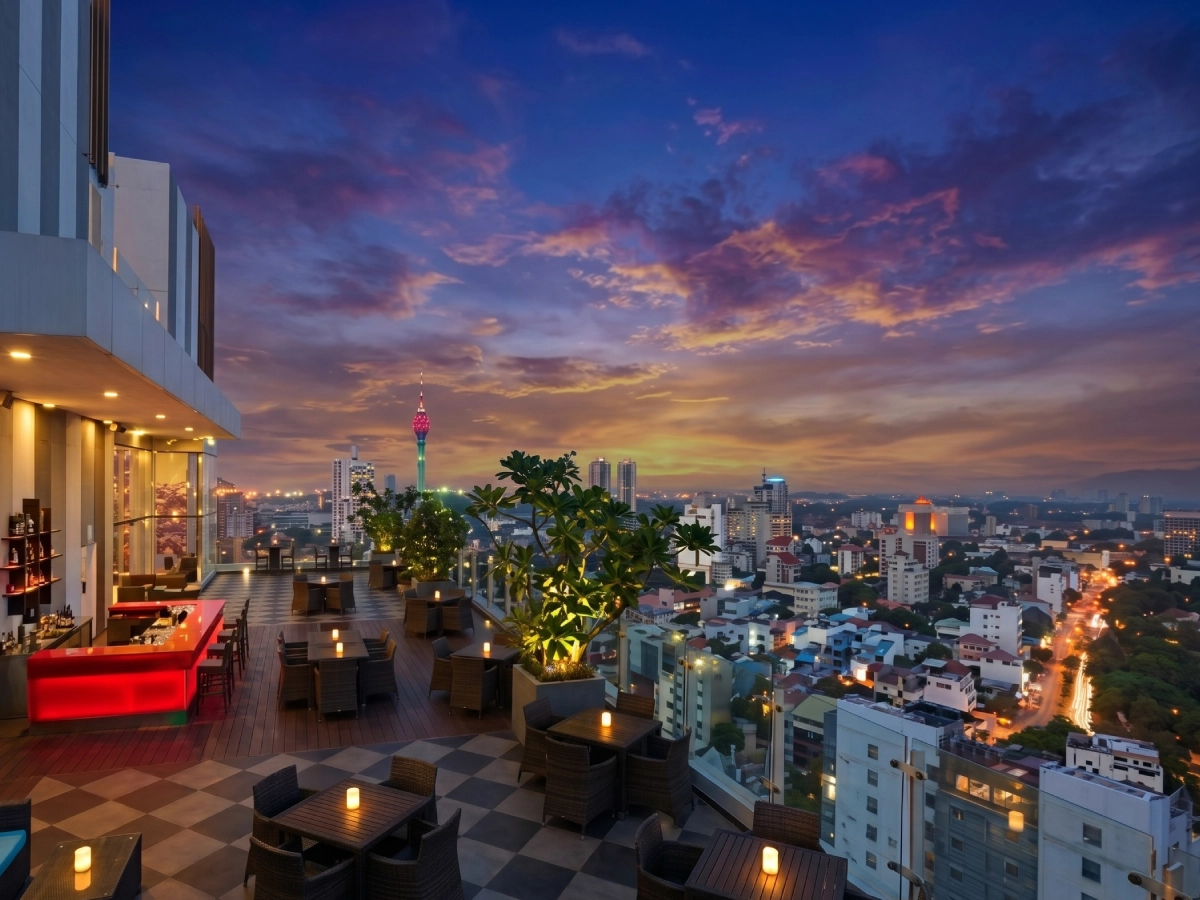
Sky Lounge at The Kingsbury in Fort brings a different energy, more refined, more classic. Perched above one of Colombo’s oldest hotel stretches, the ocean view runs uninterrupted toward Mount Lavinia. Signature cocktails like the Ceylon Ocean Mist and Roseberry show a kitchen and bar team that takes creativity seriously.
It draws a mixed crowd of hotel guests and locals. Live bands and DJ sets in the evenings push the energy up without making it a nightclub. Strong choice if you want sophisticated ambience with a coastline view, rather than a pure city-skyline backdrop.
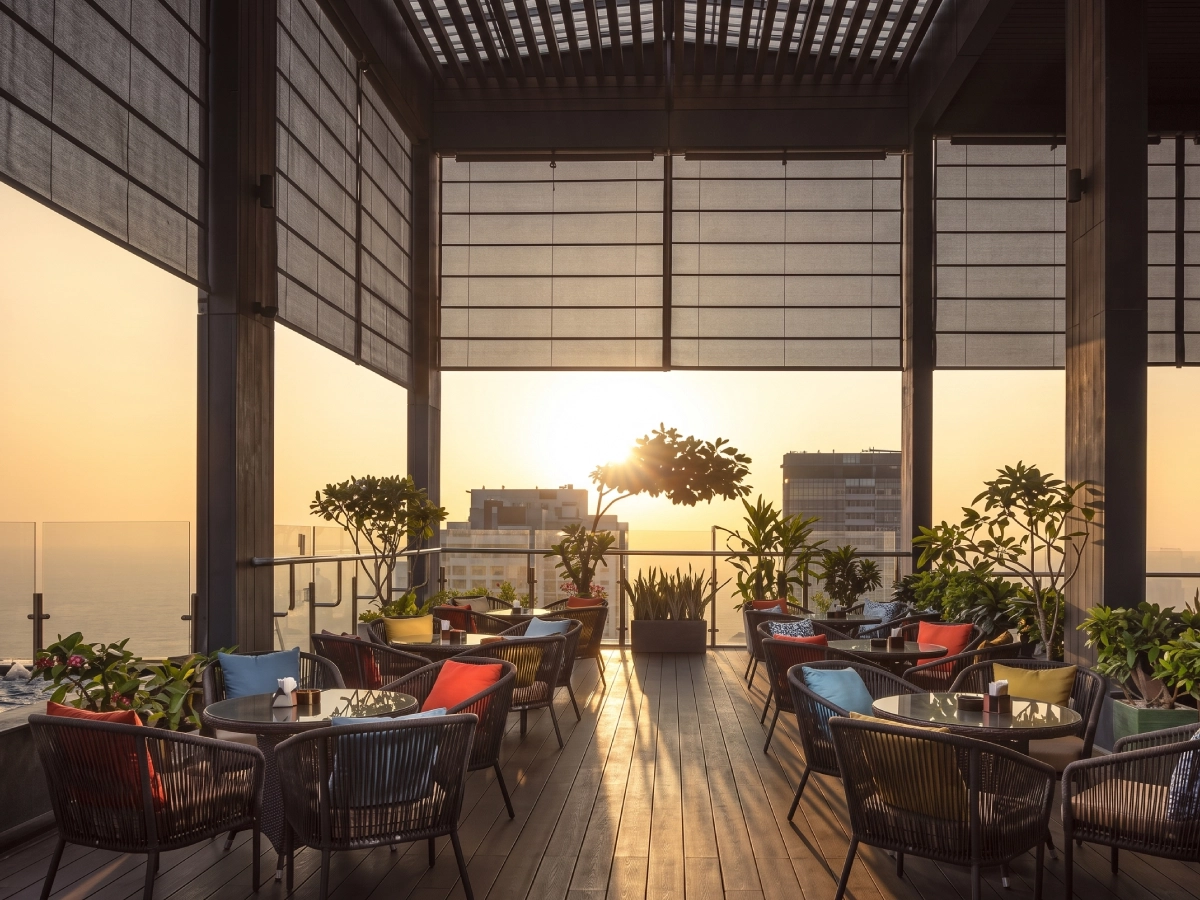
On the 24th floor of NH Collection Colombo (formerly Mövenpick), Vistas Bar offers one of the few genuine 360-degree views in the city, ocean one side, skyline the other. It was named one of the best bars in Asia in 2019, and the cocktail list, which includes smoked fusion shisha cocktails, still holds up.
Poolside seating adds an extra dimension that pure rooftop terraces miss. Happy hour runs daily from 7–9pm, which makes it a practical after-work option. The crowd is social and the pricing sits in the mid-range. Worth visiting if you want the full panorama without settling into one view.
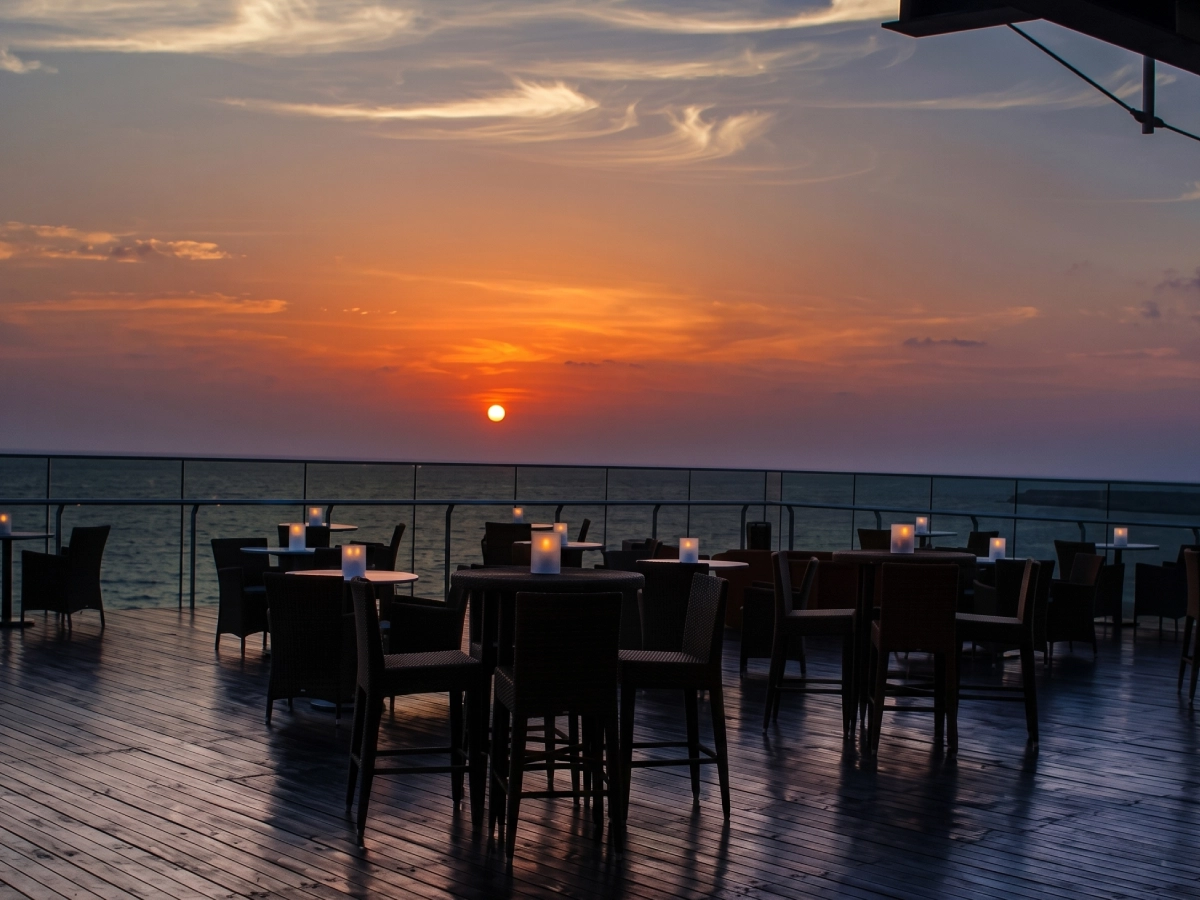
Ward7 is smaller and more intimate than most entries on this list, around 40 seats inside, 40 more on the terrace. That’s not a flaw. The rooftop at Jetwing Colombo Seven trades volume for atmosphere, and it works. City views across Colombo 7 are wide and clear, and the smoked barrel Aged Negroni has its own small following.
The food menu includes sous vide meat dishes alongside Sri Lankan bar bites, more thought put into the kitchen than average. Daytime visits are calm and uncrowded; evenings pick up with a younger, sophisticated crowd. Best for those who want a quieter elevated lounge with solid food.
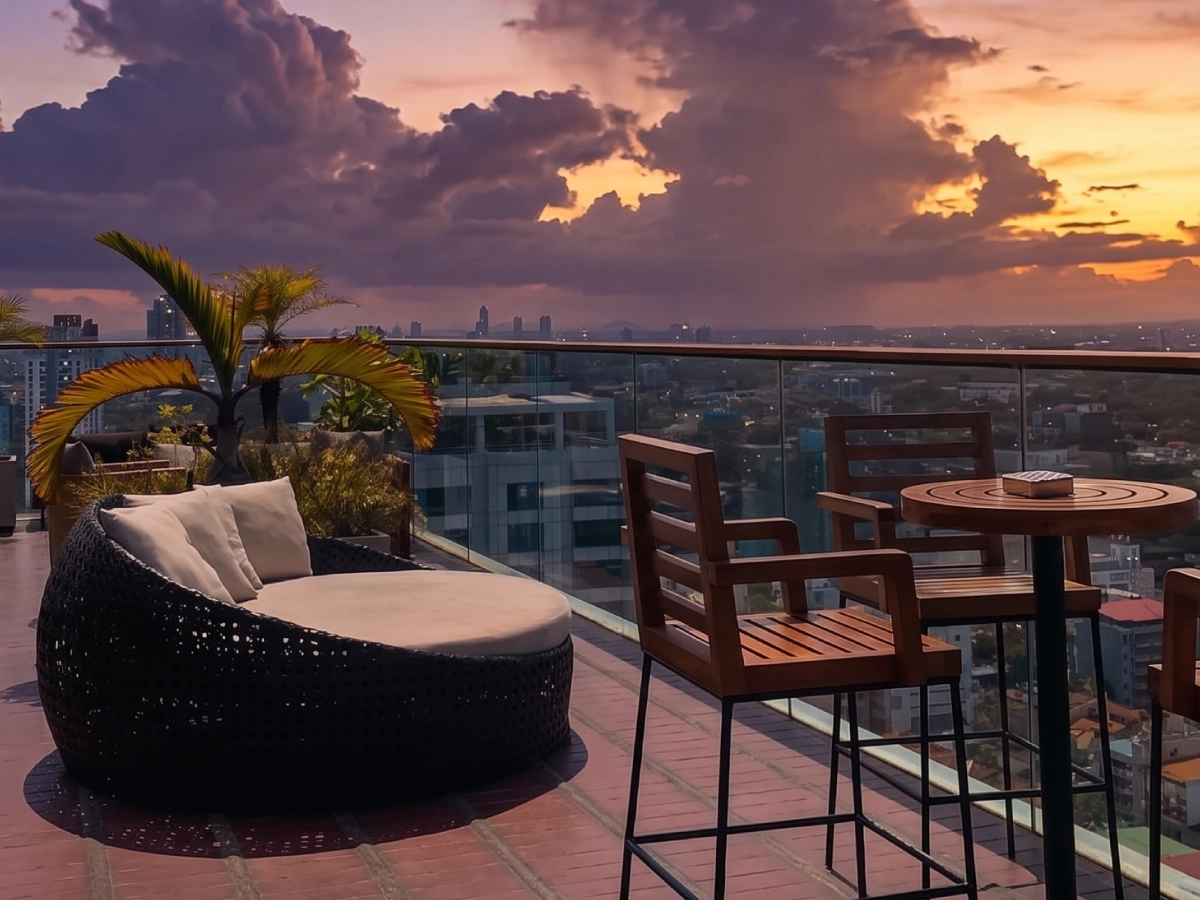
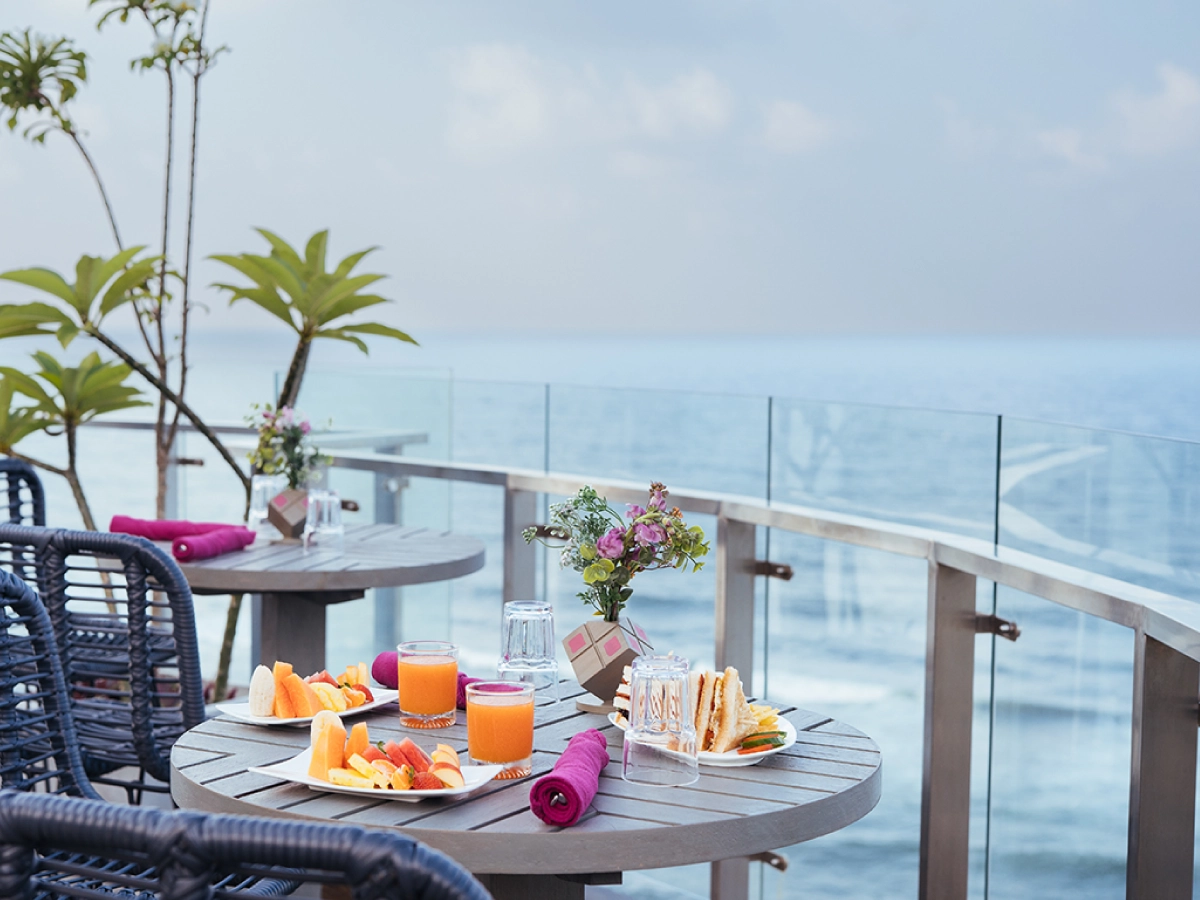
Set on the rooftop of Hotel MaRadha on Marine Drive in Bambalapitiya, Sky Yard is the bar that offers both ocean panoramas and an infinity pool in the same spot. The view faces the Indian Ocean directly, with Port City visible on the side, golden hour here is genuinely hard to beat.
The bar menu covers signature cocktails, top-shelf spirits, local arrack and beer, with food running from Vedda-style Pork Strip Baduma to Jaffna Mutton Curry and a Mixed Grilled Seafood Platter. It’s not just a drinks stop, it’s a full evening destination. Sky Yard at MaRadha hits the sweet spot between elevated-bar atmosphere and actual Sri Lankan flavour on the plate, which most rooftop venues in the city don’t manage simultaneously. Smart casual dress; bookings accepted, walk-ins welcome.
Venue | Best For | Vibe |
Bar On The Top (Granbell) | Premium sunset experience | Resort-polished |
Cloud Red (Cinnamon Red) | Height + social cocktails | Trendy, group-friendly |
Sky Lounge (Kingsbury) | Coastline elegance | Classic, romantic |
Vistas (NH Collection) | 360° views, happy hour | Upscale, relaxed |
Ward7 (Jetwing Colombo 7) | Intimate city views | Sophisticated, quiet |
Sky Yard (MaRadha) | Ocean views + pool + food | Casual-cool, complete |
What is the best rooftop bar in Colombo for sunset views?
Sky Yard at MaRadha and The Bar On The Top at Granbell both face the Indian Ocean directly, both are strong picks for sunset timing.
Which Colombo sky bar has a rooftop pool?
Sky Yard (MaRadha), Bar On The Top (Granbell), Vistas (NH Collection), and ON14 (Radisson) all have rooftop infinity pools accessible alongside the bar.
What is the highest rooftop bar in Colombo?
Cloud Red at Cinnamon Red (26th floor) and Ward7 at Jetwing Colombo Seven are among the tallest. Bar On The Top at Granbell sits approximately 100 metres above sea level.
Do Colombo rooftop bars require reservations?
Most accept walk-ins but get busy on Fridays and weekends. Sky Yard recommends arriving around 5:30pm on Fridays for the best view spots.
If you want one spot that does the view, the food, the drinks, and the infinity pool together, Sky Yard at MaRadha is worth booking. Reserve your table, or just head in, the rooftop is open and the ocean isn’t going anywhere.
Enjoy 15% OFF when you book today with promo code maradha0345, plus exclusive perks: