Southern Province · Kosgoda
Kosgoda Turtle Hatchery is one of Sri Lanka’s best-known sea turtle conservation centers, located along the island’s southwest coast. Established in 1988, the hatchery was created to protect sea turtle eggs from predators, illegal collection, and coastal threats while supporting long-term conservation efforts.
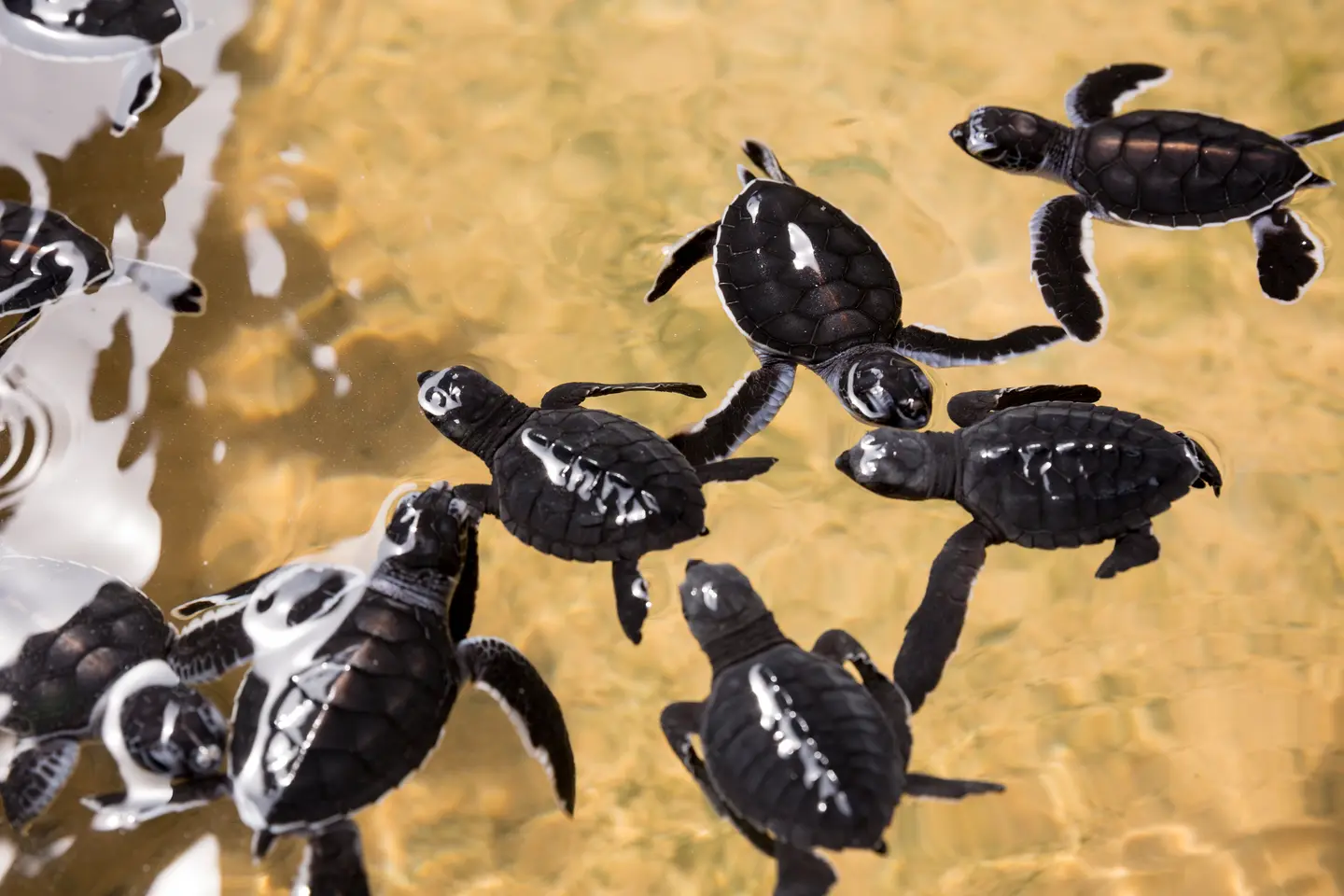
Sri Lanka’s coastline is an important nesting ground for several turtle species found in the Indian Ocean, and Kosgoda plays a major role in protecting them. The hatchery works by collecting vulnerable eggs from nesting beaches and reburying them in protected sand enclosures until they hatch naturally. Once the hatchlings are strong enough, they are released into the ocean, usually during evening hours for better survival chances.
Visitors to the hatchery can see different species of sea turtles, including Green Turtles, Hawksbill Turtles, Olive Ridley Turtles, and occasionally larger species like Leatherback Turtles. Some turtles at the center are being treated for injuries caused by fishing nets, plastic waste, or boat strikes, giving visitors a better understanding of the challenges marine life faces.
One of the most interesting parts of the visit is learning about the turtle life cycle. Female turtles return to the same coastal regions where they were born to lay eggs, often traveling thousands of kilometers through the ocean. Despite laying large numbers of eggs, only a small percentage of hatchlings survive into adulthood due to natural and human-related threats.
The hatchery experience is educational but also interactive. Visitors often get the chance to observe hatchlings up close and learn how conservation teams monitor nesting activity along nearby beaches.
Key things to know:
- Established in 1988 for sea turtle conservation
- Focuses on egg protection and hatchling release
- Several turtle species can be seen at the hatchery
- Best combined with a visit to nearby southern beaches
- Supports awareness about marine conservation in Sri Lanka
Kosgoda Turtle Hatchery offers more than just a tourist stop. It gives visitors a closer look at one of Sri Lanka’s most important marine conservation efforts while creating awareness about protecting sea turtles and coastal ecosystems for the future.