Sinharaja Rainforest - A Guide to Sri Lanka’s Endemic Biodiversity
Sinharaja Rainforest is one of Sri Lanka’s most important biodiversity hotspots, home to rare endemic birds, mammals, reptiles, and plants. Discover what makes this UNESCO World Heritage Site unique, the wildlife you can see, and how to explore it responsibly.
Why Is Sinharaja Rainforest So Rich in Endemic Species?
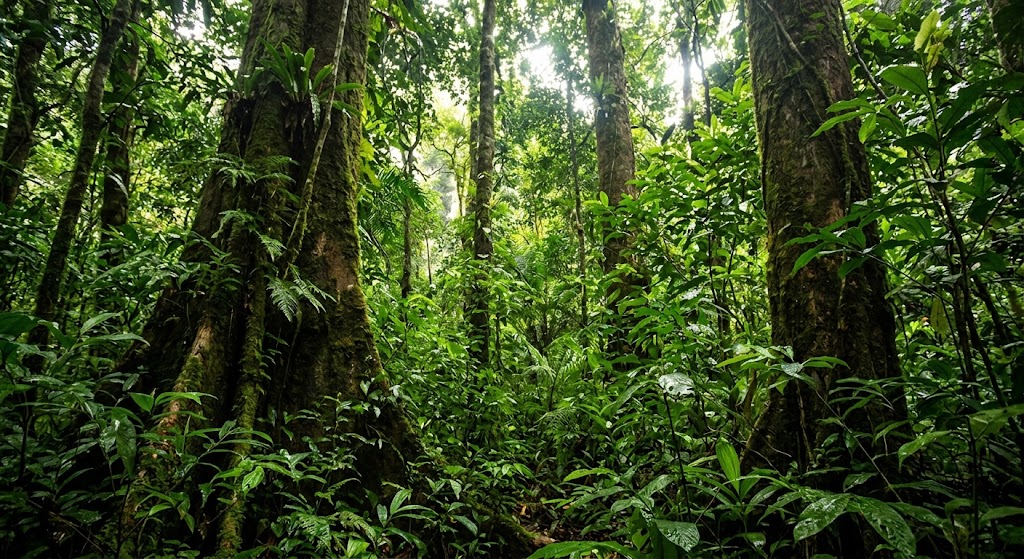
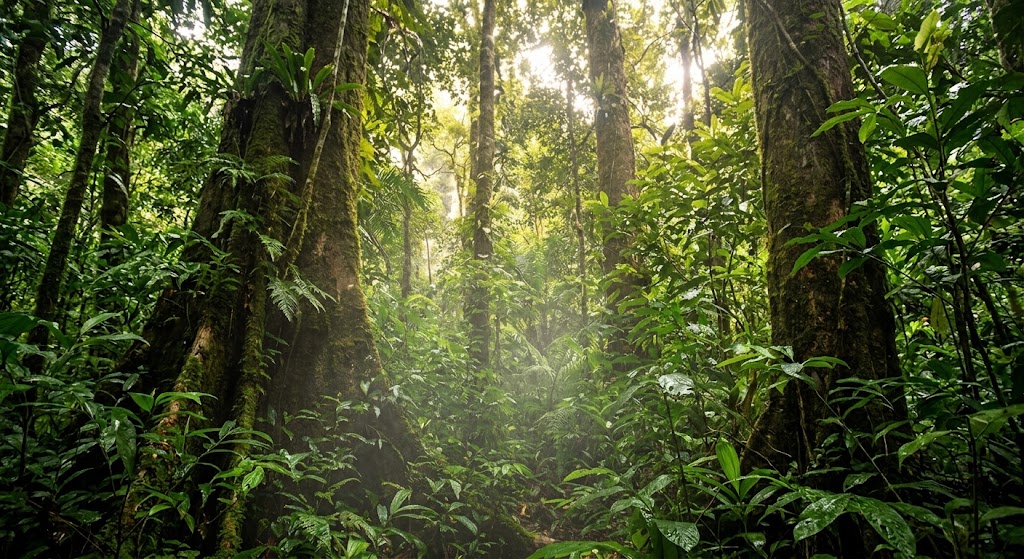
Sinharaja survived as Sri Lanka’s largest remaining fragment of primary tropical rainforest while most of the surrounding lowland wet zone was logged over the past century. That isolation, combined with the wet zone’s high rainfall and stable climate, let species evolve here without the disruption seen elsewhere on the island.
The reserve covers roughly 8,864 hectares of core forest, and despite that relatively small footprint, it holds a disproportionate share of the country’s endemic plants and animals. UNESCO listed it as a World Heritage Site in 1988, specifically citing its exceptional level of endemism as the reason, and the site remains one of only two natural World Heritage listings in Sri Lanka today.
Best Birds to See in Sinharaja Rainforest
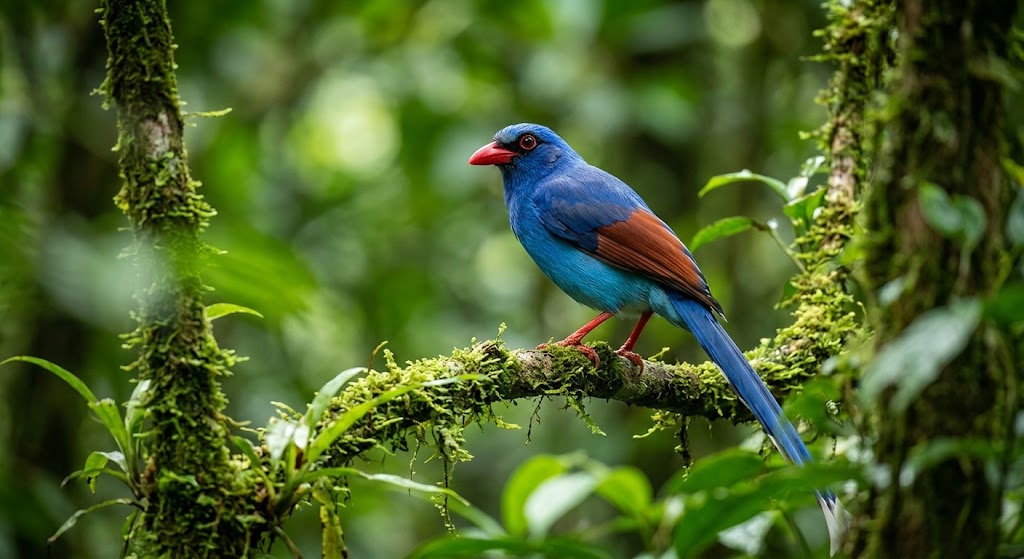
Nineteen of Sri Lanka’s twenty endemic bird species live in Sinharaja, making it the single best place on the island to see nearly the full set in one location. Species like the red-faced malkoha, green-billed coucal, and Sri Lanka blue magpie are among the most sought-after sightings for visiting birders.
Sinharaja is also known for mixed-species bird flocks, over 40 individual birds across a dozen or more species moving through the canopy together. Researchers have studied these flocks continuously since 1981, making it one of the longest-running bird flock studies anywhere, and the pattern of species travelling and feeding together in a single loose group is still not fully explained.
Animals You Can See in Sinharaja Rainforest
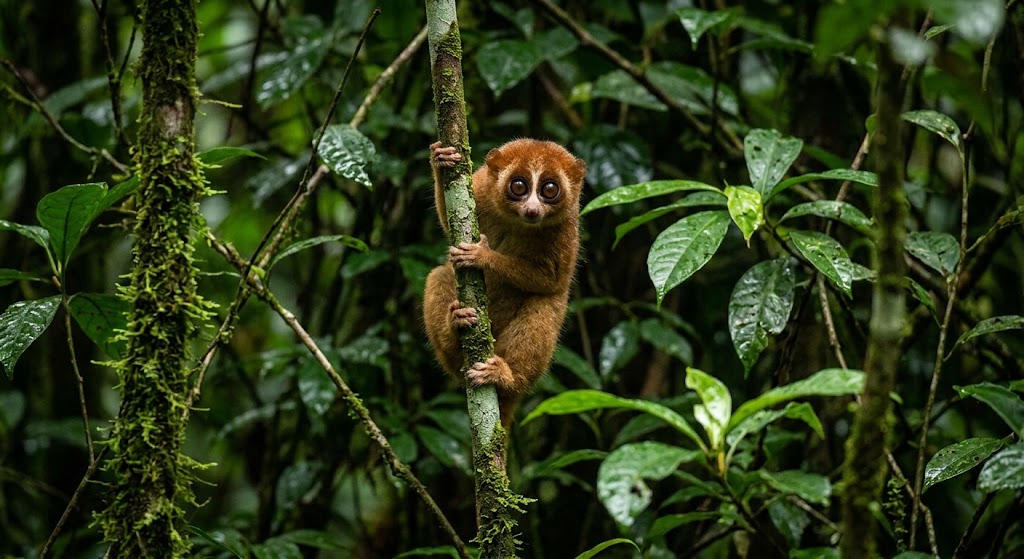
Over half of Sri Lanka’s endemic mammal, reptile, and butterfly species occur within Sinharaja’s boundaries, though the dense canopy means many are heard more often than seen. The purple-faced langur and the red slender loris, with its distinctive oversized eyes, are among the mammals worth watching for on a night walk.
Nine endemic frog species have been recorded, along with the endemic torrent toad found in the forest’s fast-moving streams. Reptile life includes the rare arboreal lizard Calotes liolepis, considered the rarest agamid species on the island, along with the more commonly seen green garden lizard along most of the main trails.
Best Trails in Sinharaja Rainforest for First-Time Visitors
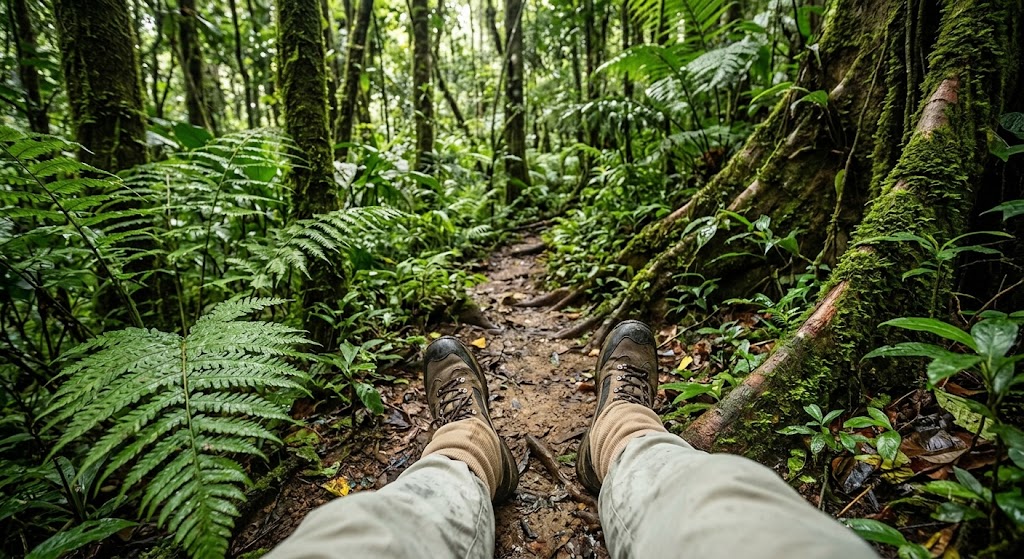
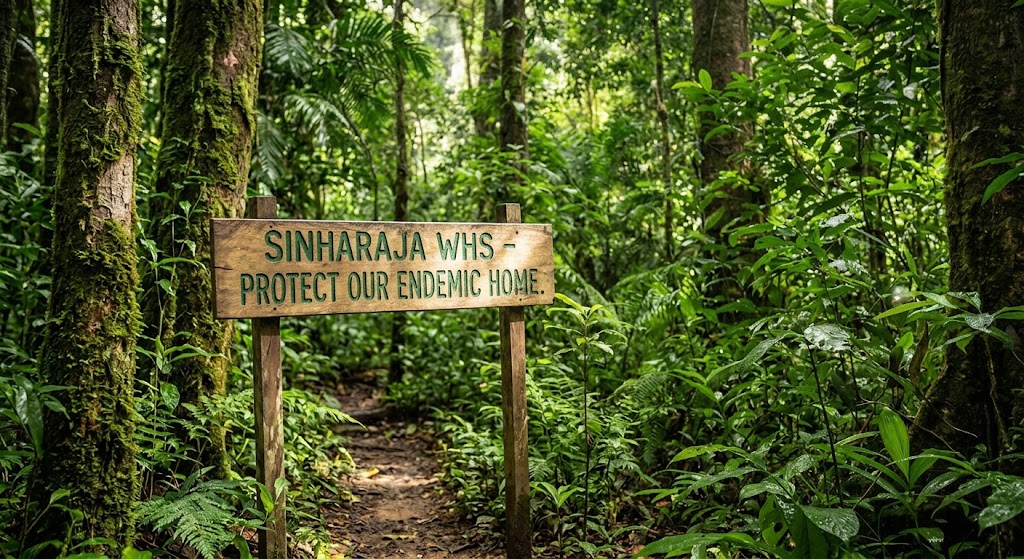
The Kudawa entrance on the reserve’s western side is the standard starting point for most visitors, with well-marked trails suited to a half-day walk. The route to Moulawella Peak offers forest views without requiring a full-day commitment, making it a reasonable choice if time is limited.
Longer routes through to Sinhagala Peak push toward a full day and steeper terrain, better suited to visitors comfortable with a longer hike. A local guide is required to enter the reserve regardless of which trail you choose, and that requirement exists as much for conservation as for visitor safety.
When Is the Best Time to Visit Sinharaja Rainforest?
The driest, most accessible months generally run from January to April and again in August, though rain is possible year-round given Sinharaja’s wet zone location. Early morning entry gives the best chance at bird activity, since flocks tend to move actively in the first hours after sunrise.
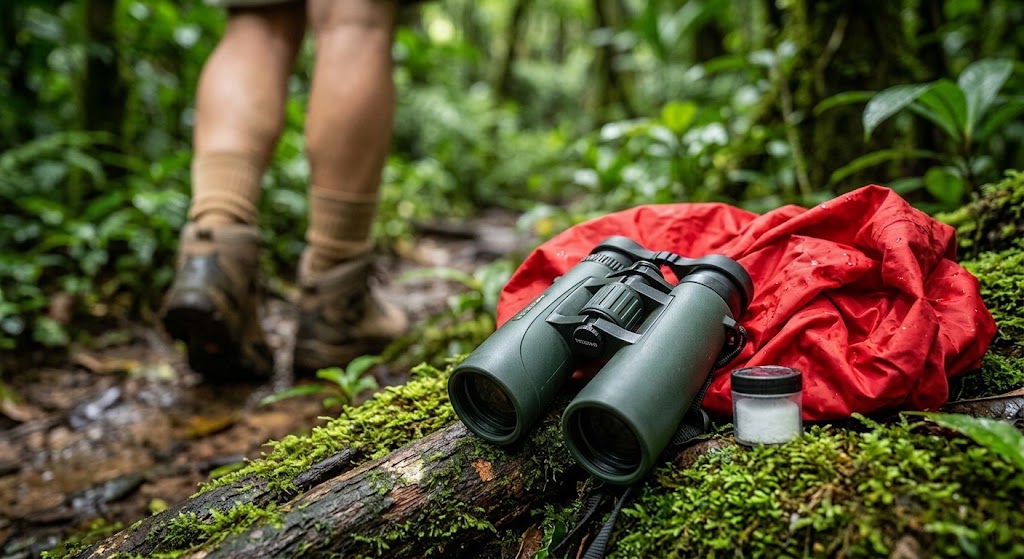
Leeches are a near-constant presence on the forest floor regardless of season, so leech socks or salt are standard gear rather than an optional extra. Bring insect repellent, sturdy waterproof footwear, and a rain layer even during the drier months, since forest weather can shift quickly.
How to Get to Sinharaja Rainforest From Colombo
Sinharaja sits roughly three to four hours from Colombo by road, and it’s a common pairing for visitors already exploring the south coast around Galle or Udawalawe. The Kudawa entrance is the most straightforward for those coming from Colombo or Ratnapura direction.
Staying overnight near the reserve, rather than attempting it as a rushed day trip from Colombo, makes the early-morning entry realistic and gives more flexibility if rain disrupts a single planned day.
What to Pack for a Sinharaja Rainforest Hike
Beyond the standard rain layer and leech protection, bring a change of dry clothes for the return drive, since trails can get muddy regardless of season. A basic pair of binoculars makes a real difference here, given how much of the wildlife stays high in the canopy rather than at eye level.
A local guide will usually know which sections of trail have had recent sightings, so it’s worth asking before setting out rather than picking a route based on distance alone. Guides here tend to know individual trees, orchids, and even specific bird territories by name.
Why Sinharaja Rainforest Conservation Matters
Encroachment, illegal logging at the reserve’s edges, and gem mining in nearby areas remain ongoing pressures despite Sinharaja’s protected status. Around 40 percent of its tree species exist at low population densities, meaning localised disturbance can meaningfully affect a species’ survival within the reserve.
Visitor numbers are deliberately kept lower here than at Sri Lanka’s national parks, which works in the forest’s favour, sticking to marked trails with a licensed guide is a small but real way visitors help limit further pressure on an already fragile ecosystem.
Sinharaja rewards visitors willing to move slowly and look closely, holding species found nowhere else on Earth. Planning a rainforest trip alongside the rest of your Sri Lanka itinerary? MaRadha Colombo can help you build the route.