
Yala vs Wilpattu offers two unforgettable Sri Lankan safari experiences, but each park has its own wildlife, landscapes, and leopard-spotting opportunities. This guide compares Yala and Wilpattu National Parks to help you choose the best leopard safari for your Sri Lanka adventure.
Yala holds the higher sighting probability, generally cited around 70 percent per safari, driven by Block 1’s open terrain where a leopard resting on a rock is visible from hundreds of metres away. Density in Block 1 is estimated at close to one leopard per square kilometre in prime areas, among the highest recorded anywhere for the species.
Wilpattu’s leopards live across denser forest and a much larger protected area, so sightings happen less often but tend to feel less staged. You’re finding the cat in its terrain rather than joining a cluster of jeeps already parked at a known location. Guides here read tracks and calls rather than radio chatter, which changes the pace of the whole drive.
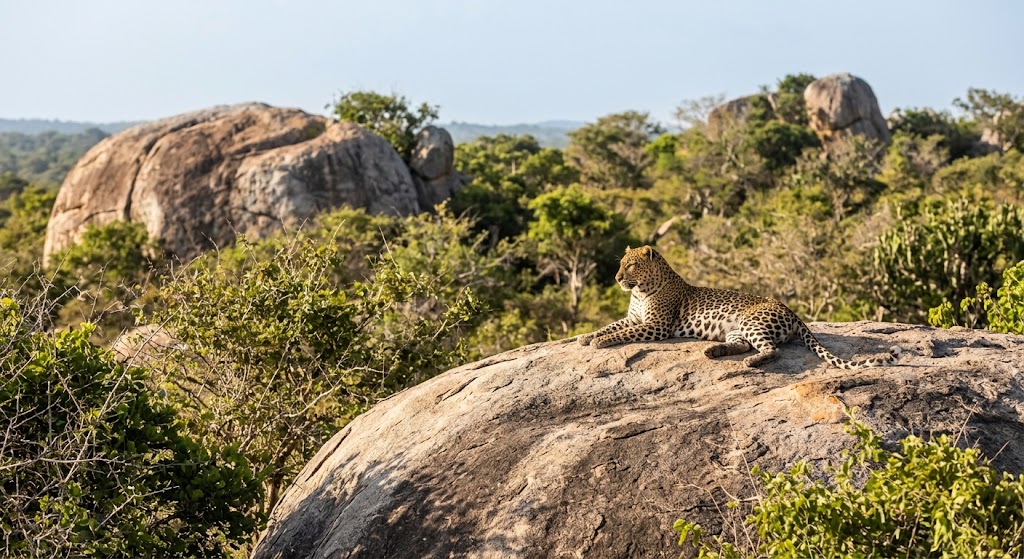
This is where the two parks split hardest. Yala’s Block 1 can hold 60 to 80 jeeps at once on a busy morning, with guides radioing sightings to each other and a small crowd forming at every confirmed leopard location. It’s efficient, but it isn’t quiet.
Wilpattu runs the opposite way. Fewer visitors, fewer vehicles, and safaris that feel more like moving through wilderness than following a sighting report. If watching a leopard in near-silence matters more to you than guaranteeing one, this difference alone should settle your choice. It’s the single biggest reason repeat visitors switch parks on their second trip.
Yala’s open scrub plains, rocky outcrops, and coastal lagoons make wildlife easy to spot from a distance, and the terrain itself photographs well, it’s often compared to classic African savanna safari country. Roads form a developed grid connecting waterholes and known cat territory.
Wilpattu takes its name from its villus, natural rain-fed lakes scattered through denser forest, giving the park a wetter, greener character. Tracks are less predictable and the forest cover means closer, more sudden encounters rather than long-range spotting. Dozens of these lakes dot the park, and many wildlife encounters happen right along their edges as animals come to drink.
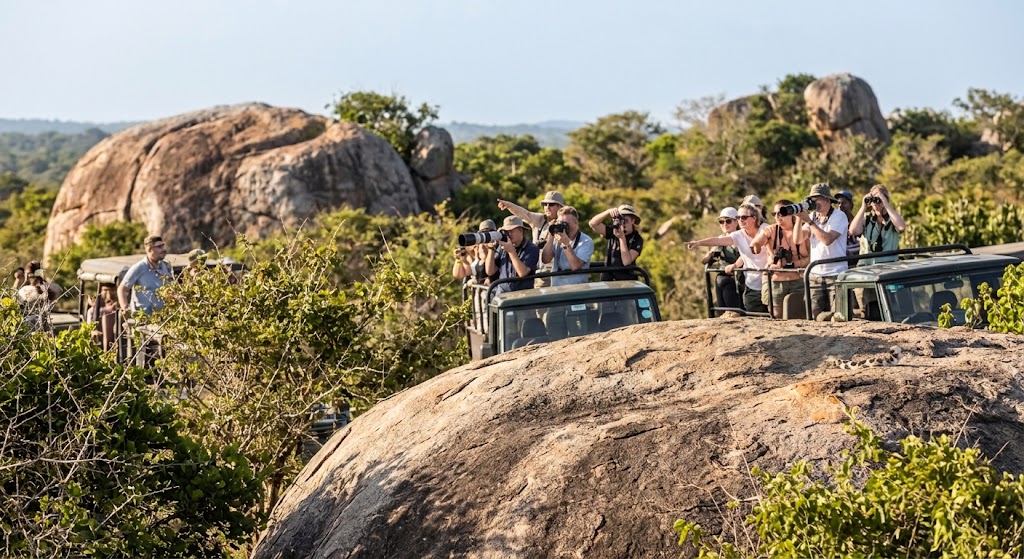
Both parks deliver the “Big Three”; leopard, elephant, and sloth bear, along with crocodiles and strong birdlife, so neither is a one-species trip. Yala’s open terrain makes elephants and birds easier to photograph across distance, and its lagoons draw large numbers of waterfowl through the cooler months.
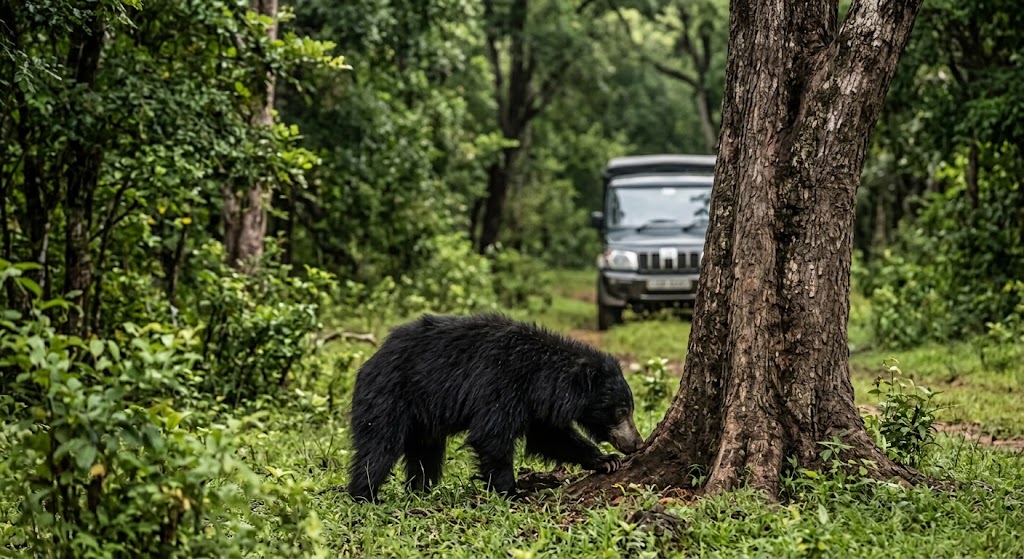
Wilpattu edges ahead specifically for sloth bear sightings, and its villus attract larger elephant herds, sometimes up to a hundred animals gathering at once around a single lake. If the bear is your priority species, Wilpattu is generally considered the stronger bet of the two, since its forest cover suits the species better than Yala’s open scrub.
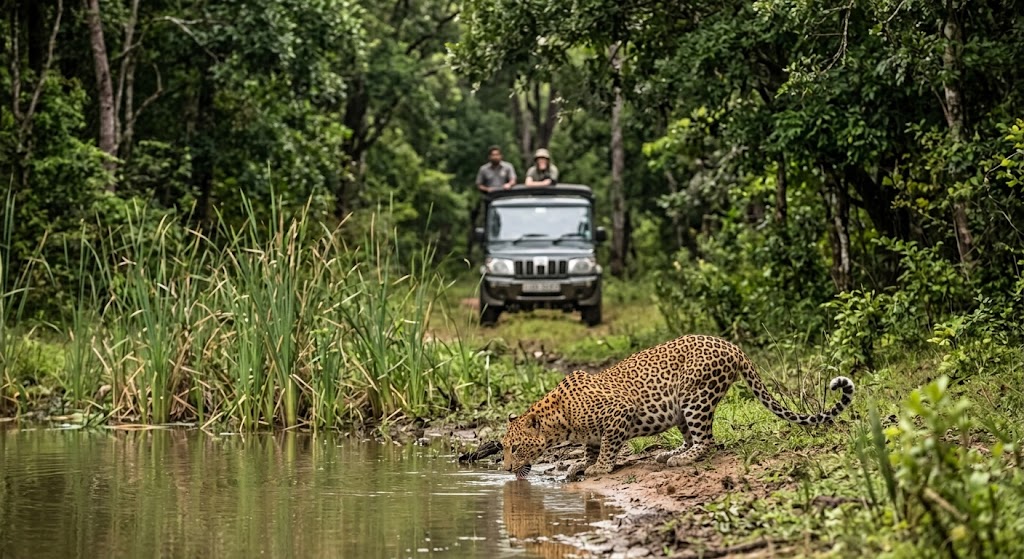
Yala sits on the southern circuit, reachable via expressway and an easy add-on if you’re already routing through Galle, Mirissa, or Ella. Foreign visitor park fees run roughly $35 to $42 per person, with total half-day safari costs landing around $80 to $95 once jeep hire is included.
Wilpattu is a longer, tougher drive from Colombo, and an overnight stay near the park is generally worth planning rather than attempting as a day trip. Costs run comparably once you factor in the extra distance and time on the road, though jeep hire itself is often cheaper simply because fewer operators compete for bookings.
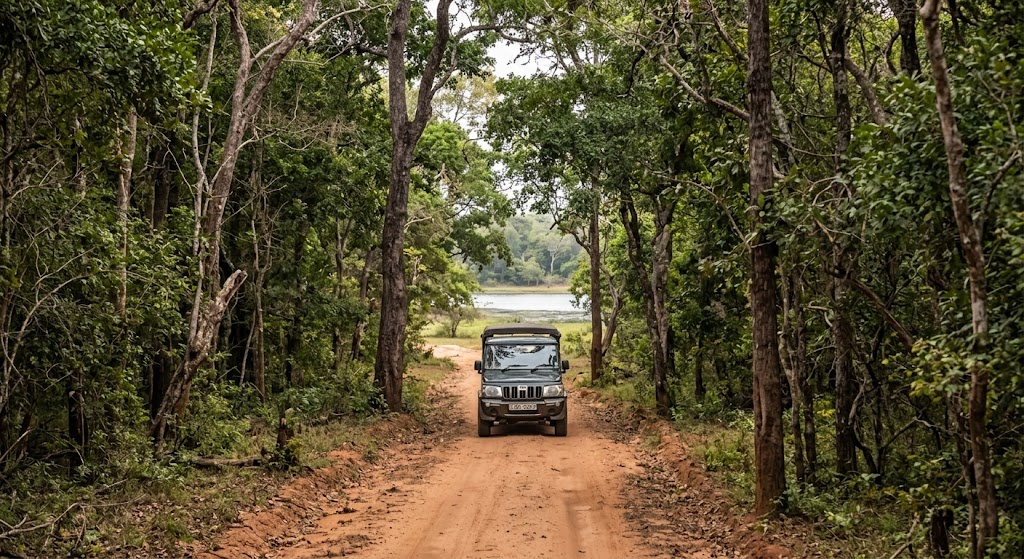
Both parks perform well in the dry months from roughly February through July, when animals cluster near remaining water sources and tracks stay passable. November through January brings migratory birds to both parks, adding another reason to visit in that window.
Yala closes for around a month each year, usually September, for park maintenance, worth checking before you lock in dates. Wilpattu stays open longer through the year, though its wetter terrain can make some tracks harder going during heavy rain, so early morning drives after a storm are worth confirming with your operator first.
Private jeeps cost more but let you set your own pace and skip the group compromises that come with shared vehicles, which matters more in Yala’s crowded Block 1 than in Wilpattu. Morning drives generally outperform afternoon ones for leopard activity in both parks, so book the early slot if you only get one shot.
Bring neutral-coloured clothing, a hat, and a long lens if photography matters to you, both parks require staying inside the vehicle at all times, so distance and zoom do the work your feet can’t. Confirm your guide’s radio and tracking experience before booking, since that skill matters more to your sighting odds than the park you choose.
Choose Yala if this is your first Sri Lanka safari and maximising your odds of a leopard sighting matters most, you’re trading some crowding for near-guaranteed results and an established network of experienced operators.
Choose Wilpattu if you’ve done a safari here before, want fewer jeeps around you, or are chasing the sloth bear as much as the leopard. Doing both parks back to back rarely adds much unless you’re a dedicated wildlife traveller, the species list overlaps closely.
Both parks deliver strong leopard odds, just with very different crowds and pace. Planning a safari as part of your Sri Lanka trip? MaRadha Colombo can help you build an itinerary around the right park and season.

Enjoy 15% OFF when you book today with promo code maradha0345, plus exclusive perks:
