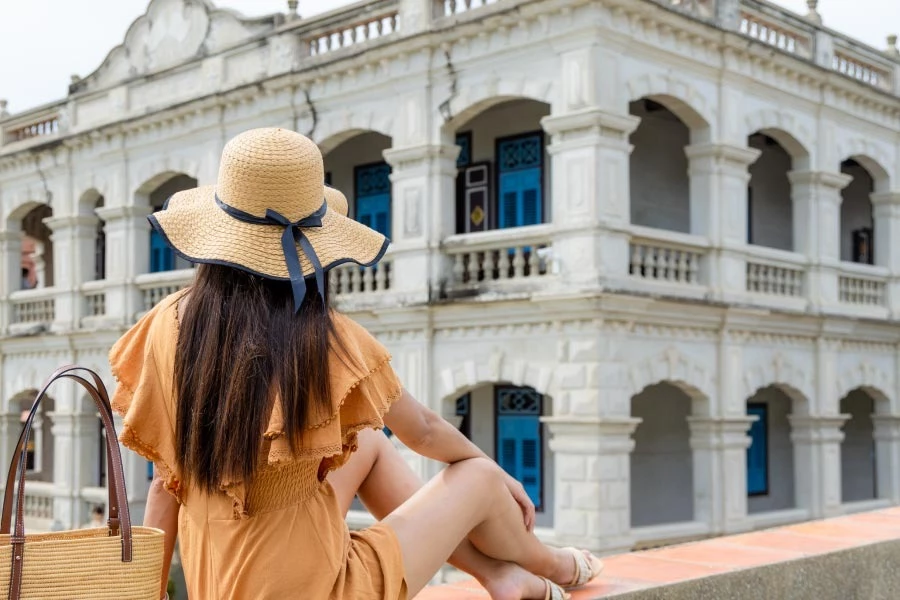
Colombo Fort Architecture: Colonial Echoes & Walking Marvels
Colombo Fort architecture is a mix of colonial influences with local design. The area’s streets and buildings tell stories of trade, governance, and cultural evolution, offering a unique perspective on Colombo’s urban history.
History of Colombo Fort
The Portuguese built this district in the early 1500s as a coastal stronghold for defense and trade. The Dutch and then the British reshaped it into an organized urban grid. When the fort walls came down in the 19th century, the area opened into wider streets and public spaces.
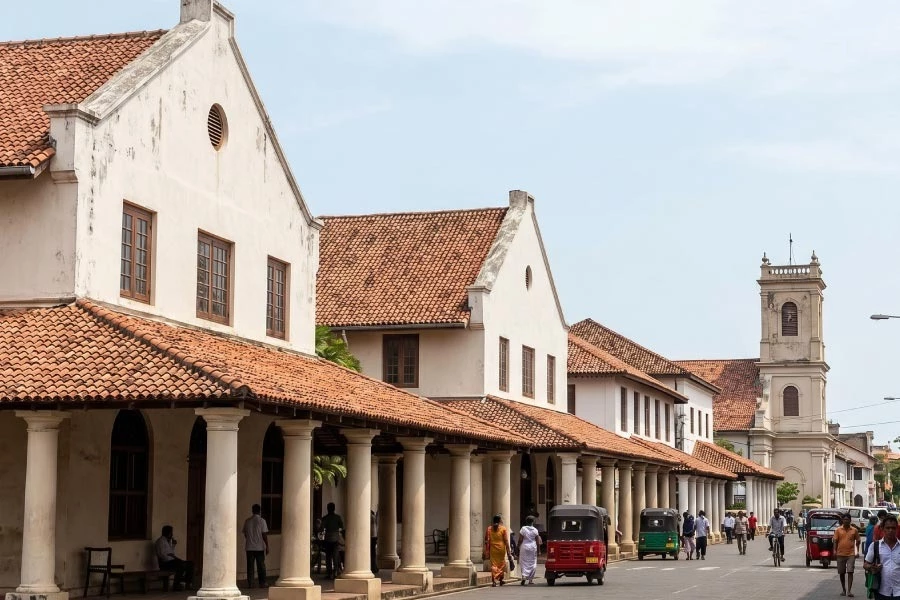
The streets feel like a living museum. You can see how colonial planners adapted buildings to Colombo’s tropical weather and busy trade life. Verandas, courtyards, and shaded walkways gave the area its character. Walking through the grid, you can tell how the district grew from a fort into a busy urban center.
Dutch Colonial Architecture in Colombo
The Dutch focused on organized planning and practical buildings. Their structures supported administration and trade, with clean layouts that made movement easier. The approach was simple and put purpose first, but it still kept a neat look across streets and buildings.
This period also brought order to how spaces were used and connected. Straight building lines and structured layouts created a planned feel that shaped future developments. You can still see that order today in how the district works as a commercial and administrative hub.
British Colonial Buildings in Colombo
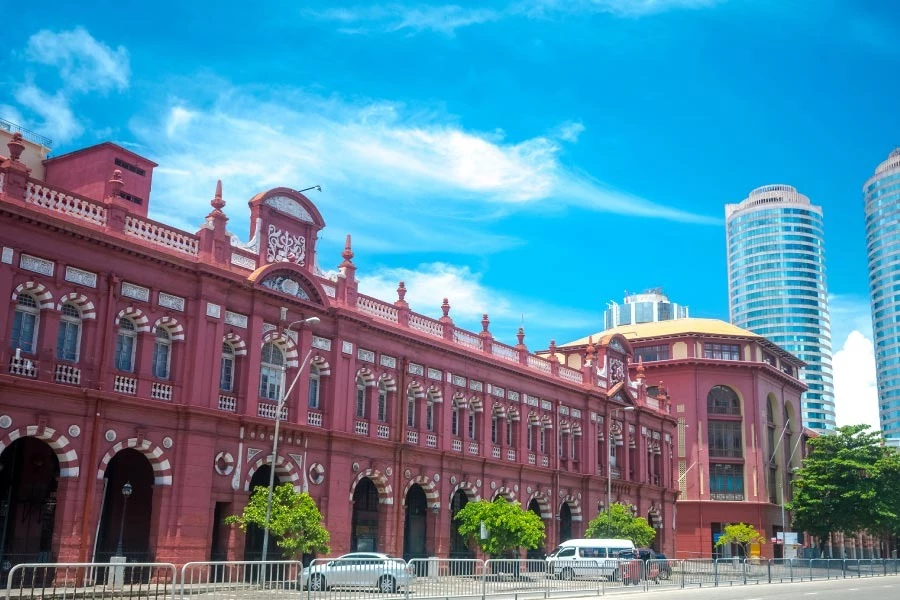
The British brought structured planning and refined architecture to public and commercial spaces. Buildings from this time often have balanced designs, columns, and small decorative details. These features supported the district’s growing role in administration.
The British also made the area work better as a city. Streets became more organized, and public spaces were built to handle business, governance, and daily life. This shaped a more efficient district, and it still influences Colombo’s layout today.
Walking Tour of Colombo Fort: Streets and Heritage Buildings
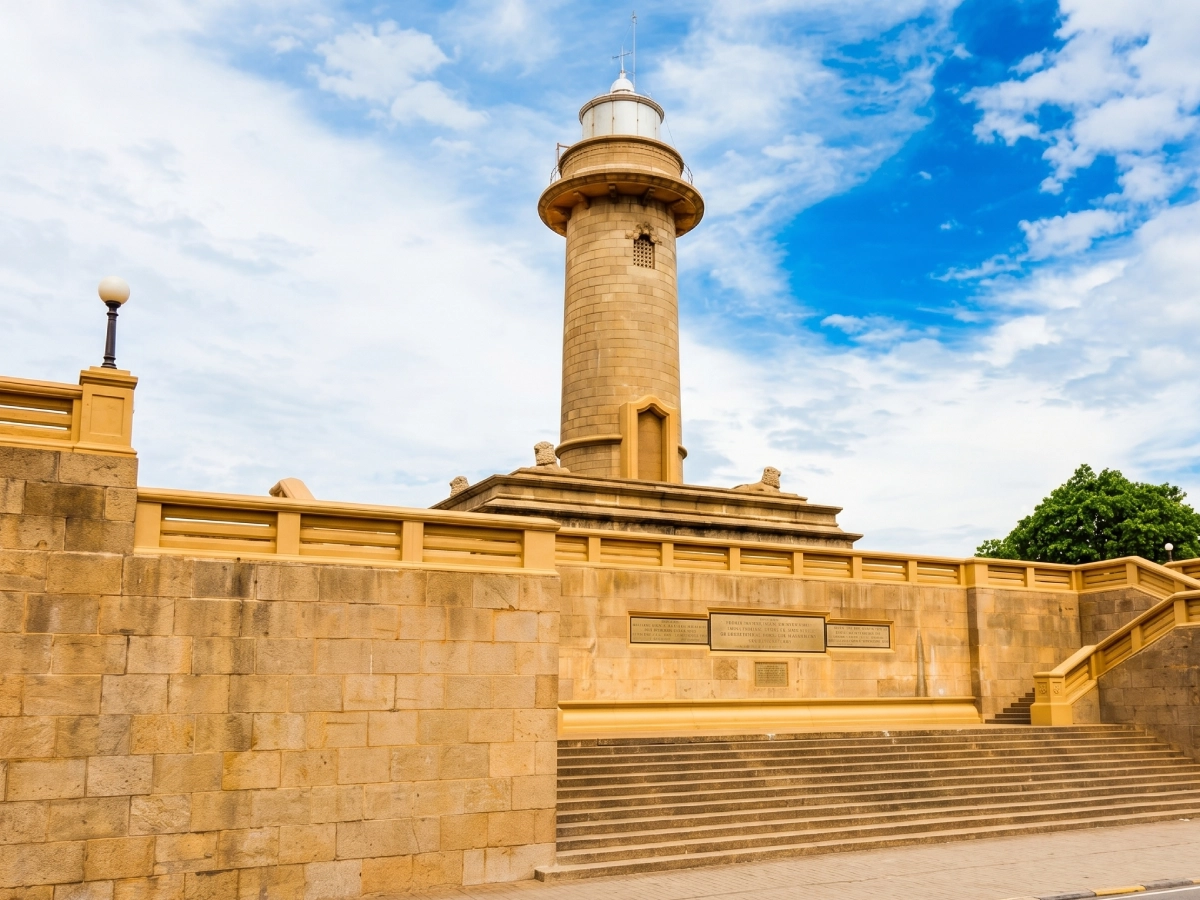
Walking through the Fort district is the best way to see Colombo’s history up close. The streets, building heights, and layouts show how defense, trade, and administration shaped the city over the centuries.
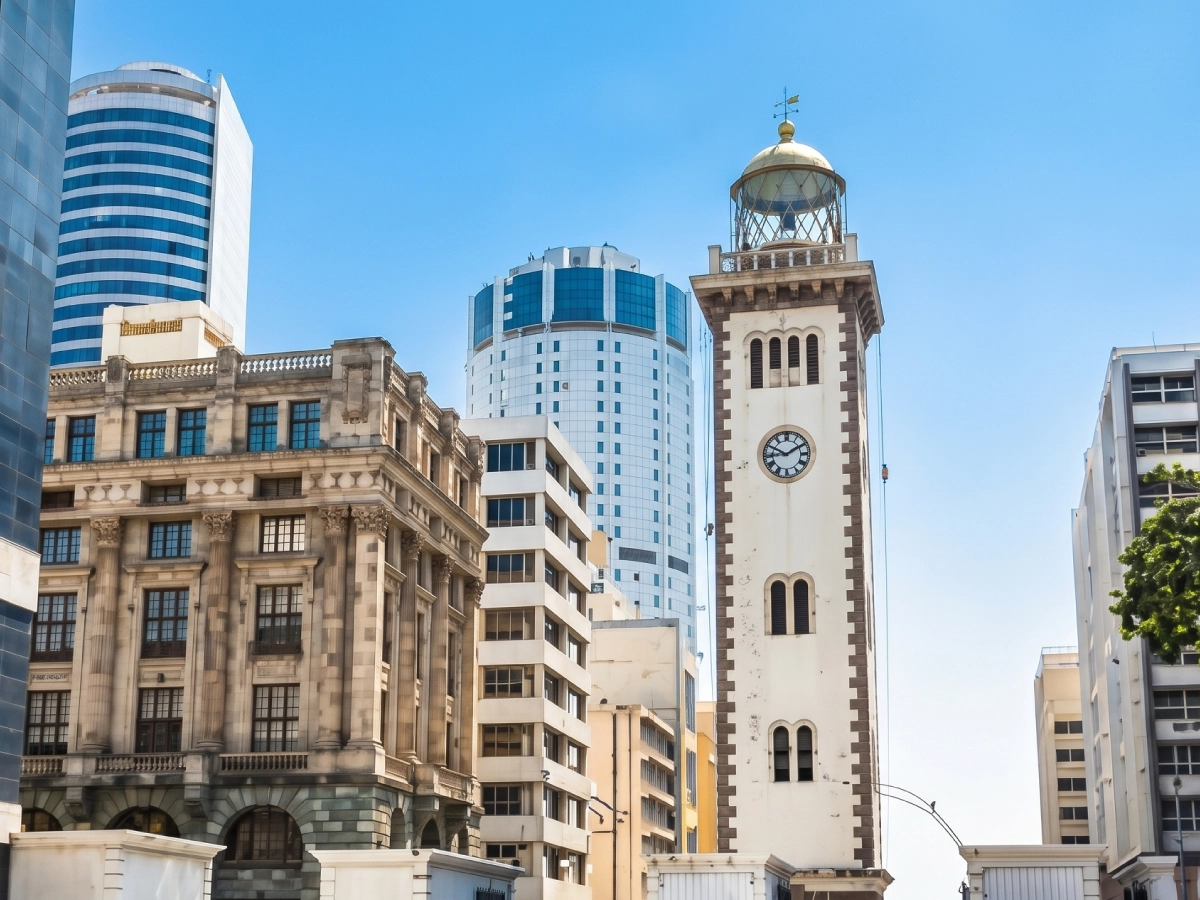
Colonial buildings sit next to modern infrastructure, so you can see how the area has changed while keeping its historic feel. Each street was planned thoughtfully and features balanced facades. Early urban choices still shape the district today.
Tips for Exploring Colombo Fort on Foot
Walking is the best way to explore the Fort district and notice the architectural details. A few tips can help you spot how colonial and modern features blend through the streets:
Plan a walking route. Foot exploration works best here.
Look at the details. Check out verandas, courtyards, and facades.
Mix the eras. Notice both Dutch and British touches.
Bring a camera. Focus on patterns, textures, and street layouts.
Go early. Mornings have softer light and fewer people.
Colombo Fort invites you to explore centuries of architectural history.Stay at MaRadha Colombo to experience comfort after a long day of exploring Fort District architecture.