"

Blog

Minneriya Elephant Gathering - The Ultimate Guide to Sri Lanka’s Elephant Safari

The Minneriya Elephant Gathering is one of Sri Lanka’s most remarkable wildlife experiences, attracting hundreds of wild elephants to the Minneriya National Park reservoir during the dry season. Discover the best time to visit, safari tips, and what to expect.

What Causes the Minneriya Elephant Gathering?

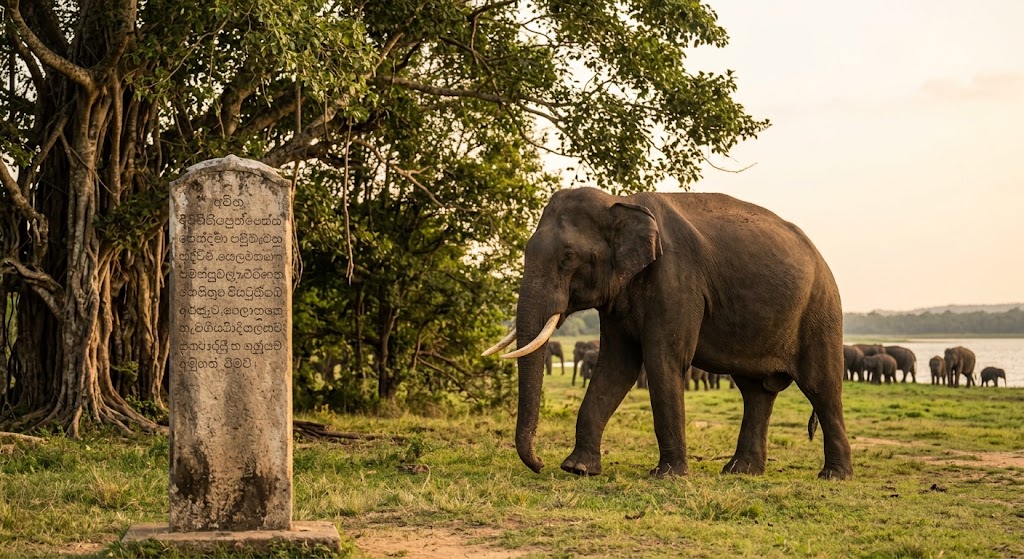
Minneriya Tank was built in the third century AD by King Mahasena, and its size means it holds water long after smaller sources nearby dry up completely. As the dry season sets in, elephants travelling from Kaudulla, Wasgamuwa, and surrounding forests converge here for the same two resources: water and fresh grass.

As the tank’s water level drops, it exposes a wide band of nutrient-rich grass along the shoreline that elephants can’t find anywhere else at that time of year. That single strip of grazing land is what pulls in herds that would otherwise stay territorial and apart, creating a rare temporary truce between groups that biologists still study for what it reveals about elephant social behaviour.

Best Time to See the Minneriya Elephant Gathering

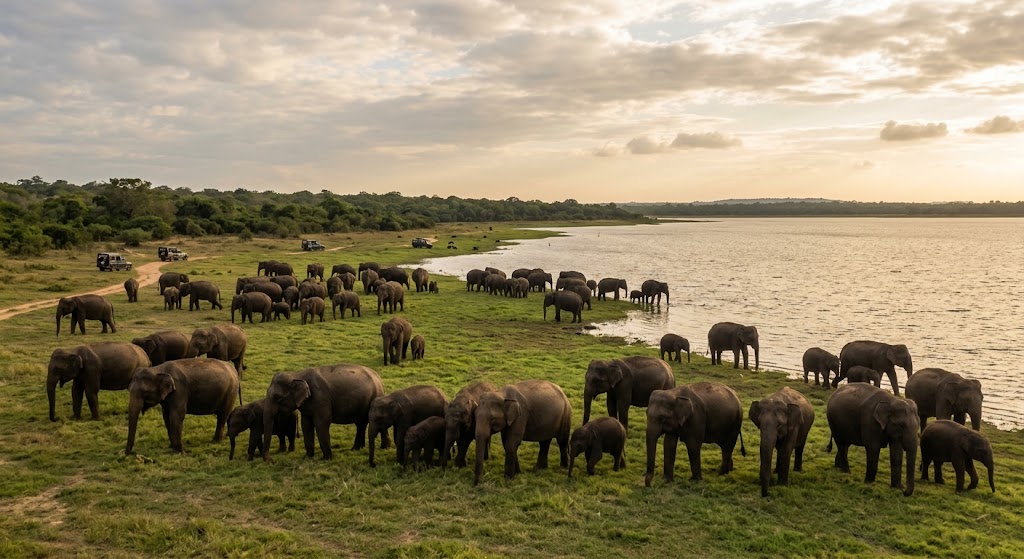
The congregation typically runs from July through October, with August and September marking the highest numbers, when counts have reportedly passed 300 elephants on strong days. Outside this window, elephants are still present in the park, just spread out rather than concentrated at the tank.

Water management at the reservoir affects the gathering’s intensity from year to year, so exact numbers shift with rainfall patterns and how canal releases are timed upstream. If your travel dates are flexible, aim for late August into September for the best odds of seeing the full congregation rather than a scattered handful of herds spread across the park.

Best Time of Day for a Minneriya Elephant Safari

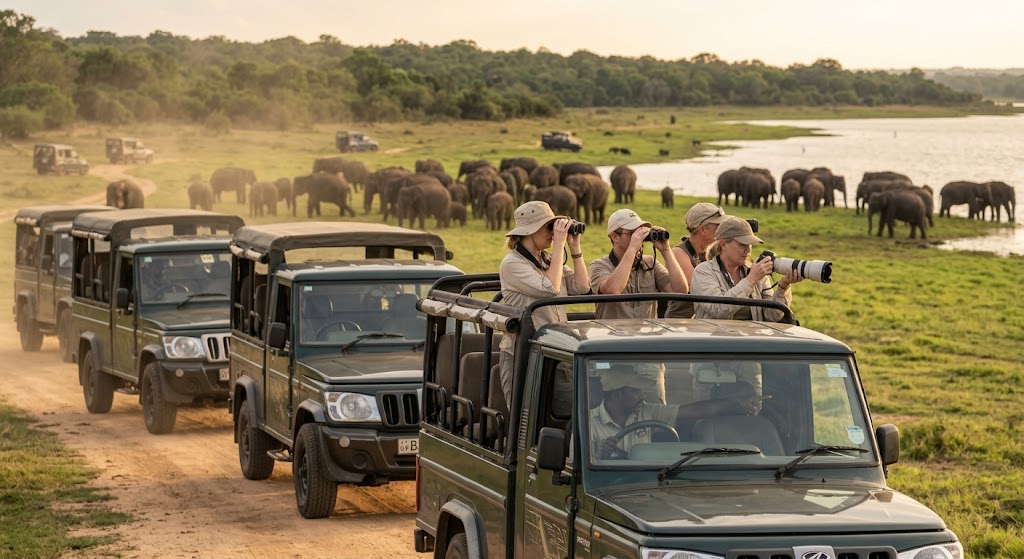
Game drives typically run in the late afternoon, roughly from 2:30 to 6pm, timed to when elephants leave the tree line to graze and drink at the tank. The park itself stays open from 6am to 6pm, but the afternoon slot consistently delivers the larger numbers.

Late-afternoon light also happens to suit photography better than the flat glare of midday, so the timing works in your favour twice over. Ask your guide whether recent sightings have clustered closer to the western or eastern side of the tank before you set out, since that can shift week to week.

What You Can See at the Minneriya Elephant Gathering

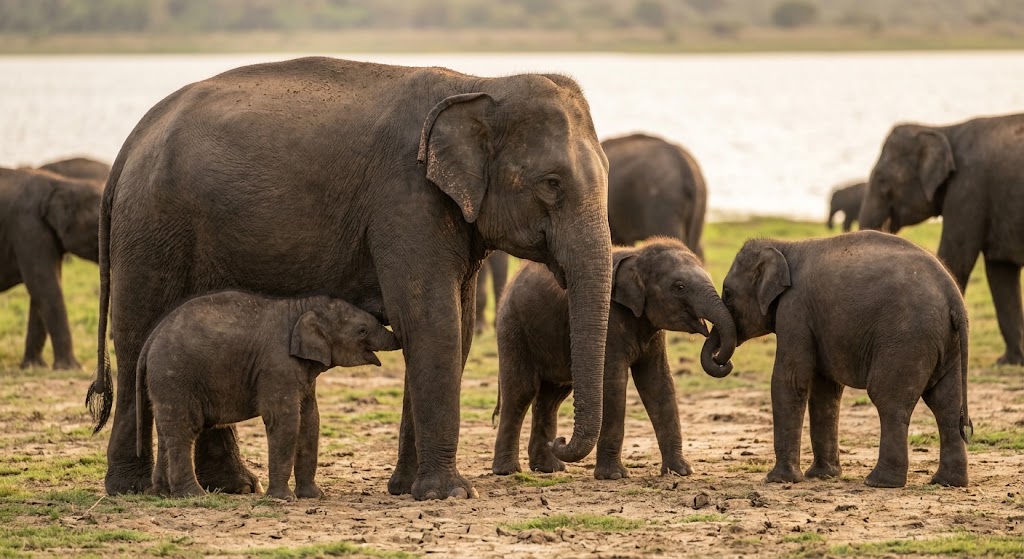
Beyond the elephants themselves, expect to see mothers with calves close by, young males testing strength through mock sparring, and larger tuskers moving along the tree line at the water’s edge. Family groups tend to stay loosely together even within the wider gathering.

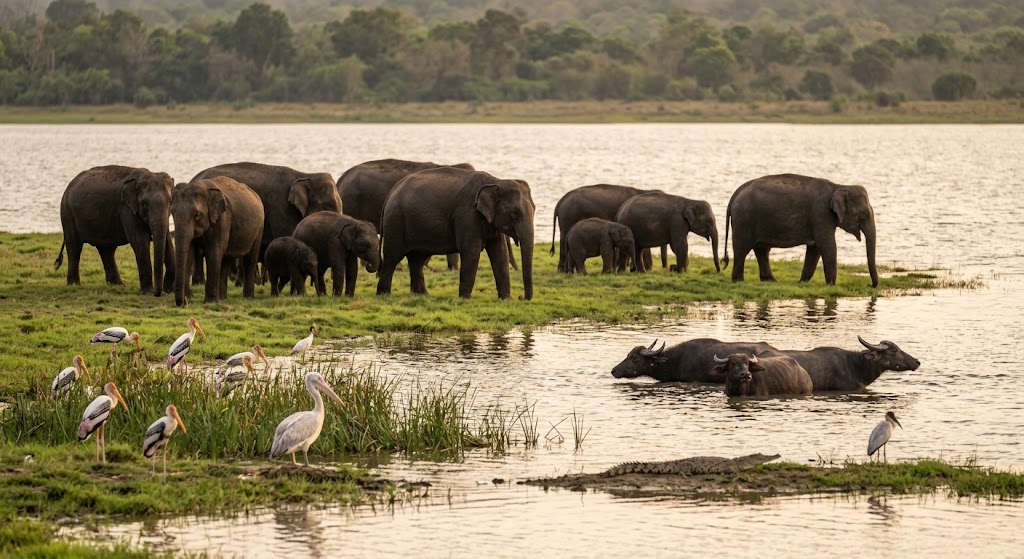
The reservoir also draws sambar deer, water buffalo, and crocodiles, along with painted storks, pelicans, and other waterbirds feeding at the shoreline. It’s a genuinely mixed-wildlife stop even outside peak elephant months, though the congregation itself is the reason most visitors make the trip in the first place, and it’s rare to leave without seeing at least a few of these species alongside the herds.

How Elephants Behave in the Gathering

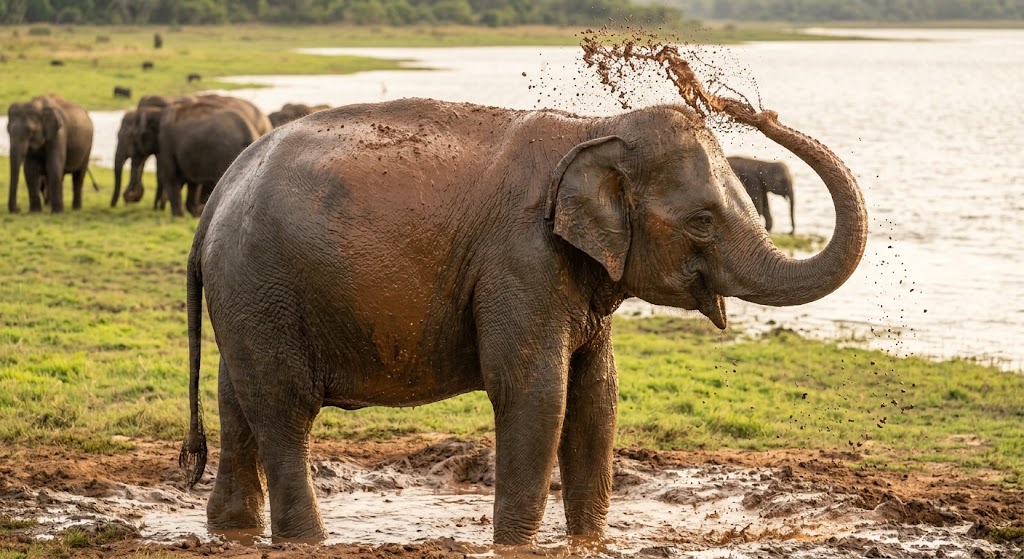
Watching a large herd interact at close range is different from spotting a few animals in the bush elsewhere in Sri Lanka. Bathing, mud-wallowing, and social grooming are common, and calves often stay tucked between adults rather than wandering to the water’s edge alone.

Despite the numbers involved, aggression between unrelated groups is rare during the gathering itself, the shared draw of water and grass appears to override the usual territorial spacing elephants keep elsewhere. Guides who know the park well can often point out specific herds or individuals returning from previous seasons.

Can You See Elephants at Minneriya Outside Peak Season?

Elephants remain in Minneriya year-round, so a visit outside July to October still turns up sightings, just without the concentrated numbers that define the gathering itself. Several visitors report seeing dozens of elephants even in quieter months, alongside the park’s other wildlife.

If your trip dates don’t align with peak season, don’t rule the park out entirely, treat it as a solid general safari rather than a specific spectacle, and set expectations with your guide before booking.

What to Bring and How to Behave

Bring neutral clothing, a hat, and sun protection, since afternoon safaris put you facing west into the sun for part of the drive. A pair of binoculars helps for spotting birds along the shoreline even when the elephant activity is concentrated elsewhere in the park.

Vehicles are required to keep a respectful distance from the herds, and jeeps should never box elephants in or block their path to water. A guide who maintains that distance is protecting both you and the animals, so don’t push for closer photos than your guide is comfortable offering.

The Elephant Gathering remains one of the most reliable wildlife spectacles in Sri Lanka, best timed to August and September for peak numbers. Planning a Cultural Triangle trip around it? MaRadha Colombo can help you build the right dates and route.

Unlock the ultimate luxury experience at MaRadha Colombo!

Enjoy 15% OFF when you book today with promo code maradha0345, plus exclusive perks:

MaRadha Colombo offers breathtaking landscapes, exquisite amenities, and an extraordinary experience for every traveler.