"

Blog

Shipwreck Diving in Kalpitiya and Trincomalee - Complete Guide

Shipwreck Diving in Kalpitiya and Trincomalee offers a unique mix of underwater history and marine life. From World War II wrecks to reef-covered ships, this complete guide covers the best dive sites, when to go, and what to expect beneath Sri Lanka’s waters. 

Best Shipwreck Diving Destinations in Sri Lanka

Kalpitiya sits on the northwest coast, Trincomalee on the east, and that geography works in your favor. Kalpitiya is one of the best diving sites in Sri Lanka, with a season running from April to November, while Trincomalee’s waters calm down for the opposite half of the year. 

That split means wreck and reef diving here isn’t a narrow seasonal window; it’s nearly year-round if you’re willing to switch coasts. Add warm water, decent visibility, and a low crowd factor compared to Southeast Asia’s bigger dive hubs, and you get two very different underwater stories within a few hours’ drive of each other.

HMS Hermes: Trincomalee's WWII Aircraft Carrier Wreck

The centerpiece of east coast wreck diving is HMS Hermes, the world’s first purpose-built aircraft carrier, sunk on April 9, 1942, when Japanese dive bombers struck the British Eastern Fleet off Ceylon. She took roughly 40 direct hits and went down fast, killing her captain and 282 sailors. 

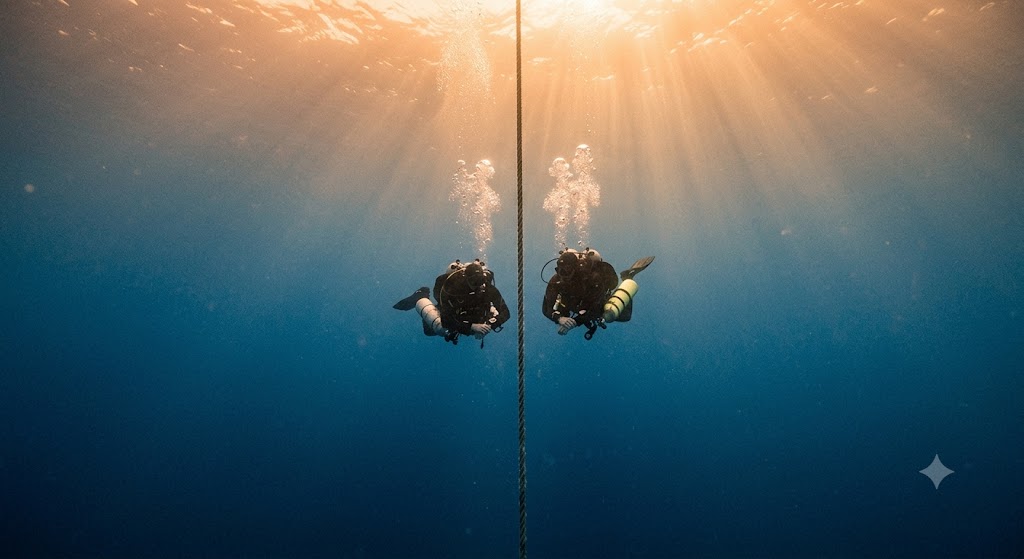
Local fishermen led divers to the wreck in the late 1970s, and today she rests at a maximum depth of about 53 meters, brackish water, boat entry only. This is a designated war grave, so it demands technical certification, not a casual dive.

Best Shipwreck Dive Sites in Trincomalee

Hermes isn’t diving alone out there. The SS British Sergeant, a merchant vessel sunk in the same 1942 attack, lies nearby, along with smaller supply ships and naval vessels sitting at more recreational depths. These sites suit divers who aren’t ready for a 50-meter technical descent but still want wreck structure, coral growth, and schooling fish without the depth risk.

 Trincomalee also offers Pigeon Island’s coral reef diving in 3 to 15 meters, with blacktip reef sharks, hawksbill turtles, and visibility up to 30 meters, a good warm-up or cool-down dive around the wreck sites.

Kalpitiya's Wrecks and Its Bar Reef Sanctuary

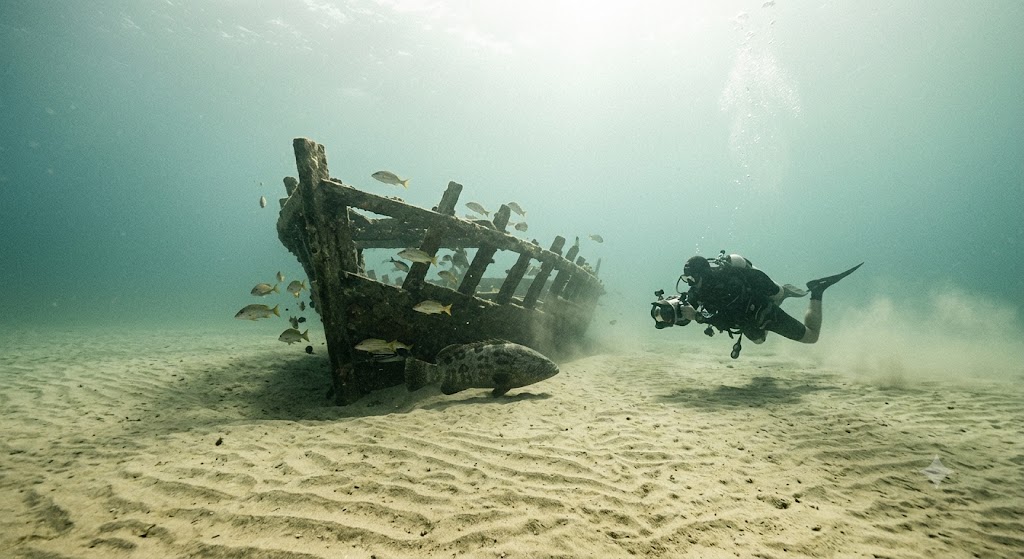
Kalpitiya is better known for reefs than wrecks, but it has both. Divers can explore over 20 sites here ranging from 5 to 40 meters, including reef, rock, and wreck dives, with lesser-known wrecks scattered on sandy bottoms that draw fish and suit underwater photography. 

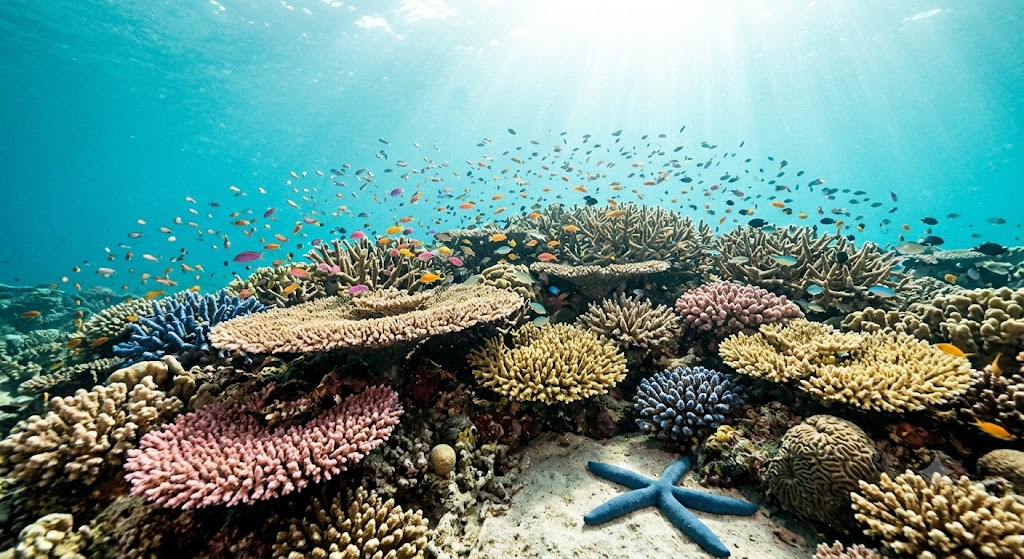
The main draw remains Bar Reef, one of the largest reef systems in Sri Lanka, spanning roughly 300 square kilometers with over 150 coral species and 280 fish species. It’s a strong pairing: structured wreck penetration on one dive, drifting over a living reef sanctuary on the next.

Best Time to Plan Your Dive Trip

Timing depends on which coast you’re chasing. Kalpitiya’s season runs roughly October to May, while Trincomalee’s east coast is best from May to October. Trincomalee typically sees calm seas and 20-30 meter visibility during its season. Book HMS Hermes trips well ahead — weather windows for the deep boat ride out are narrower than for shore-accessible reef sites, and operators cap group sizes for safety on technical wrecks.

What You Need Before You Book a Wreck Dive

Not every wreck here is beginner-friendly. Hermes and similarly deep sites call for operators with real technical wreck diving experience, nitrox at minimum, and trimix for deeper penetration. Shallower wrecks near Trincomalee and Kalpitiya’s sandy-bottom sites are open to Advanced Open Water divers. 

If you’re not tech-certified yet, ask your operator about a wreck specialty course first, it’s a short add-on that opens up the deeper sites on a later trip instead of leaving you topside.

Marine Life You'll See While Shipwreck Diving

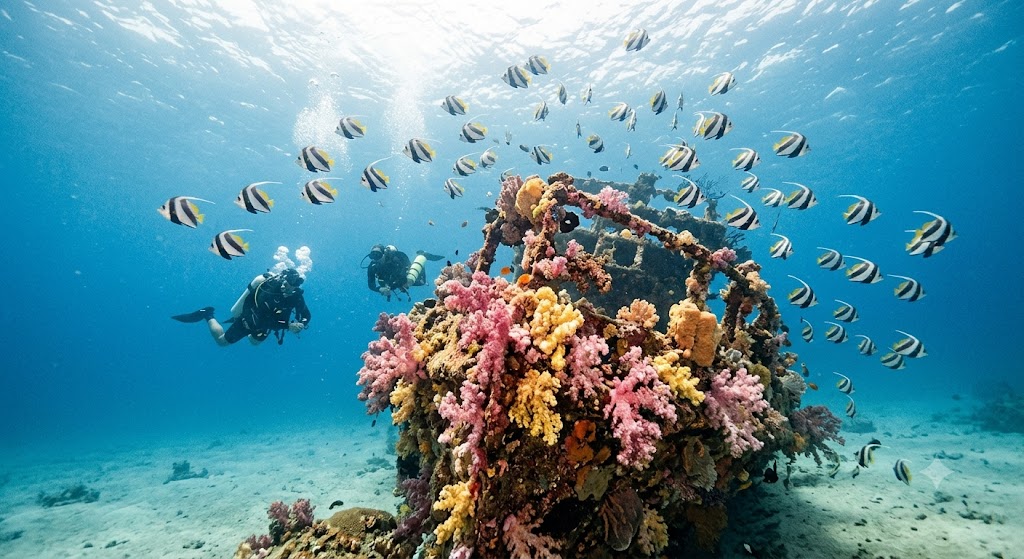
The wrecks aren’t just steel and history, they’re artificial reefs now. HMS Hermes hosts tuna, grouper, jacks, rays, barracuda, crabs, and nudibranchs, with the hull now covered in coral and marine plant growth. 

Sightings around the site include sharks, whales, dolphins, and turtles. Kalpitiya’s Bar Reef adds manta rays and occasional reef sharks to the mix, so a wreck-and-reef itinerary across both coasts gives you a genuinely wide range of Indian Ocean species in one trip.

Wreck diving in Kalpitiya and Trincomalee rewards those who plan around the seasons and get properly certified for the deeper sites. MaRadha Colombo can help you build the right itinerary, get in touch to start planning your dive.

Unlock the ultimate luxury experience at MaRadha Colombo!

Enjoy 15% OFF when you book today with promo code maradha0345, plus exclusive perks:

MaRadha Colombo offers breathtaking landscapes, exquisite amenities, and an extraordinary experience for every traveler.