Blog

Visiting Sri Maha Bodhi in Anuradhapura - A Complete Guide

Anuradhapura’s sacred Bo Tree and towering stupas form one of Buddhism’s most significant pilgrimage sites, with a documented history stretching back over 2,300 years. Here’s what to see and how to visit respectfully.

The History of Sri Maha Bodhi in Anuradhapura

Jaya Sri Maha Bodhi grew from a branch of the original tree in Bodh Gaya, India, under which the Buddha attained enlightenment. According to tradition, the nun Sanghamitta, brought the sapling to Sri Lanka in 236 BC, where it was planted in what’s now the Mahamewna Gardens, then part of the royal grounds of the ancient city.

That planting date makes it the oldest tree in the world with a continuous, documented history, tended by an unbroken line of guardians for well over two thousand years. Today it stands on a raised platform behind gold railings, with several younger bodhi trees surrounding the original at the site, planted over the centuries as offerings from devotees and visiting dignitaries.

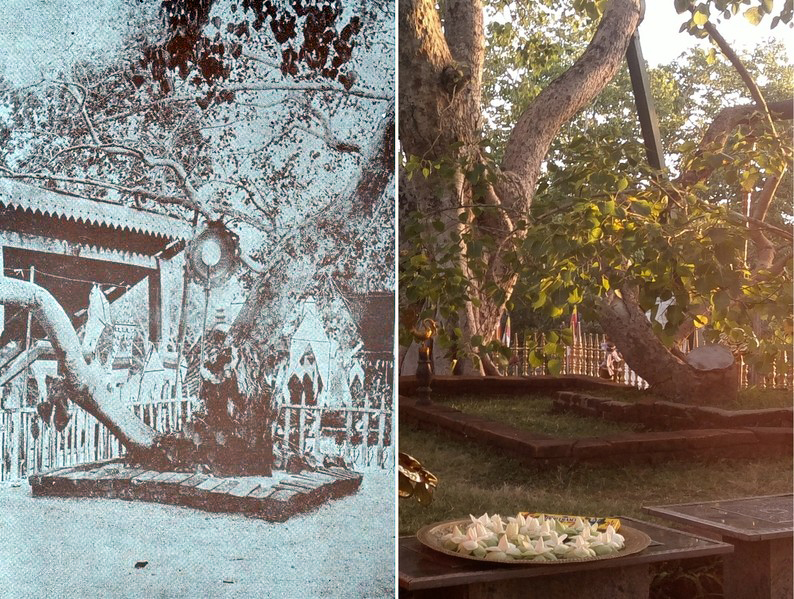
Jaya Sri Maha Bodhi, the sacred Bo tree in Anuradhapura

What to Know Before Visiting Sri Maha Bodhi

Modest dress is required at the site: shoulders and knees covered, and shoes removed before entering the inner platform area. Full moon (poya) days draw the largest crowds of devotees, so if a quiet visit matters more to you than witnessing a major ritual, plan around those dates rather than during them.

Morning and sunset both offer calmer conditions than midday, with sunset in particular giving the site a different atmosphere as oil lamps are lit and evening prayers begin. Photography is generally permitted, though it’s worth being unobtrusive near anyone actively worshipping.

Why Visit Ruwanwelisaya Stupa in Anuradhapura?

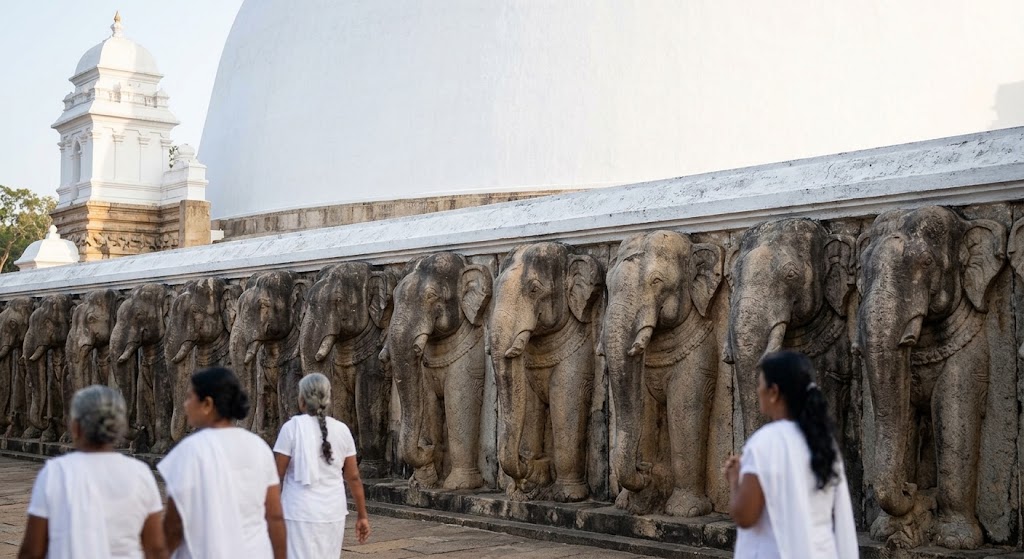
Ruwanwelisaya sits close to the Bodhi Tree and is one of the most visually striking stupas in the ancient city, its brilliant white dome rising from a base ringed with hundreds of stone elephant carvings. Built by King Dutugemunu in the second century BC, it remains an active place of worship rather than a static ruin.

The elephant wall surrounding the base is worth walking slowly rather than passing quickly; each carved figure differs slightly, a detail easy to miss without pausing. Devotees regularly circle the stupa clockwise as an act of devotion, and visitors are welcome to do the same respectfully.

Elephant wall of Ruwanwelisaya Stupa in Anuradhapura

Exploring Jetavanaramaya Stupa in Anuradhapura

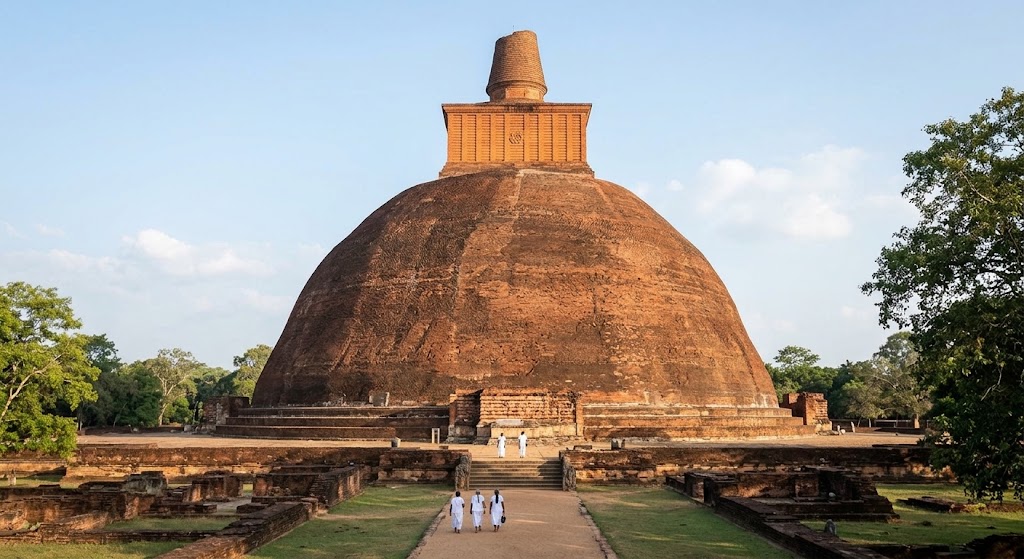
Jetavanaramaya was once among the tallest structures in the ancient world, built almost entirely from fired brick and originally standing well over 100 metres. Though now partially restored rather than fully intact, its scale is still difficult to grasp standing at the base, even compared to the other large stupas nearby.

The stupa was constructed in the third century AD by King Mahasena, reportedly using a volume of brick comparable to a small city’s worth of construction. Its size alone makes it one of Anuradhapura’s essential stops, even for visitors with limited time.

Jetavanaramaya brick stupa in Anuradhapura

Exploring Isurumuniya Temple and Its Famous Rock Carvings

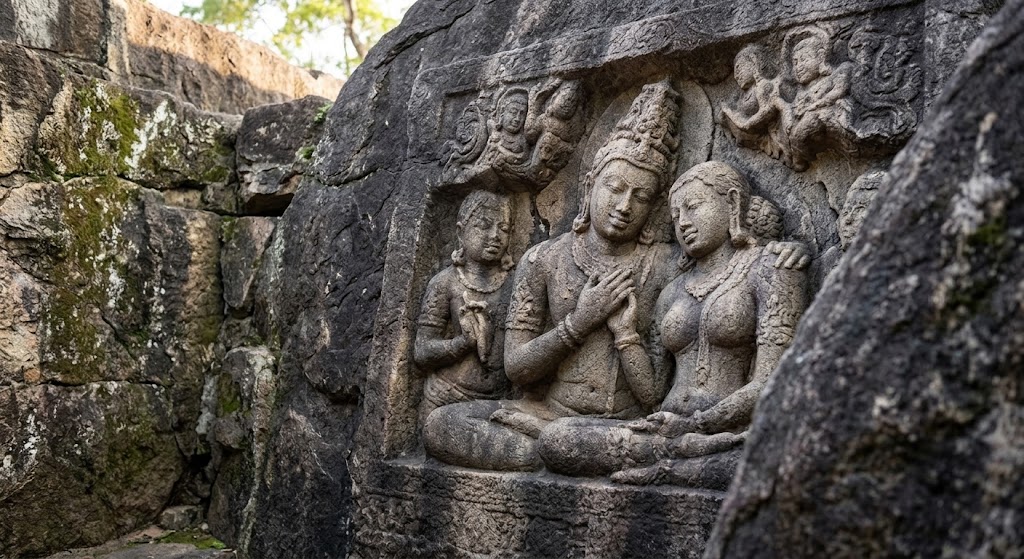
Isurumuniya Vihara sits apart from the main stupa cluster, built into and around a natural rock outcrop rather than standing as a freestanding structure. It’s best known for a set of stone carvings, including the famous “Isurumuniya lovers,” depicting a couple in an intimate pose unusual for religious carvings of that era.

The temple’s setting, with a small pond and surrounding rock formations, gives it a quieter, more contemplative feel than the larger stupa sites. It’s a natural stop if you want a break from the scale of Ruwanwelisaya and Jetavanaramaya elsewhere in the ancient city.

Ancient rock carvings at Isurumuniya Temple, Anuradhapura

Kuttam Pokuna - The Twin Ponds of Anuradhapura

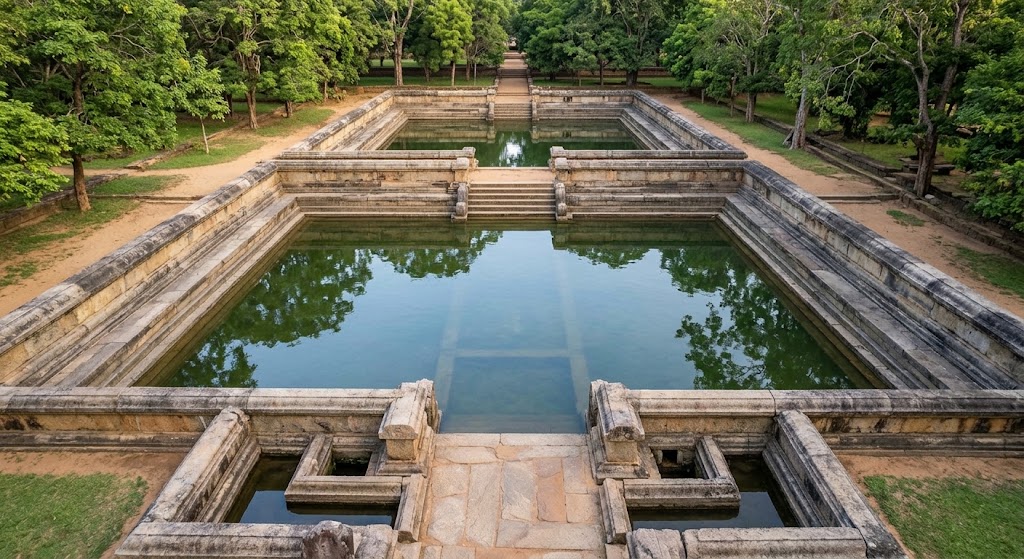
Kuttam Pokuna, the Twin Ponds, showcases the hydraulic engineering that made Anuradhapura’s monastic community function at scale, with carefully cut stone channels once used to filter and manage water for the monks living nearby. The symmetry between the two ponds remains striking even today.

These ponds sit slightly off the main pilgrimage route, making them a good stop for visitors interested in the practical side of ancient monastic life rather than religious ritual specifically. They’re a reminder that Anuradhapura functioned as a working city, not just a devotional site.

Kuttam Pokuna twin ponds in Anuradhapura

Mihintale - The Birthplace of Buddhism in Sri Lanka

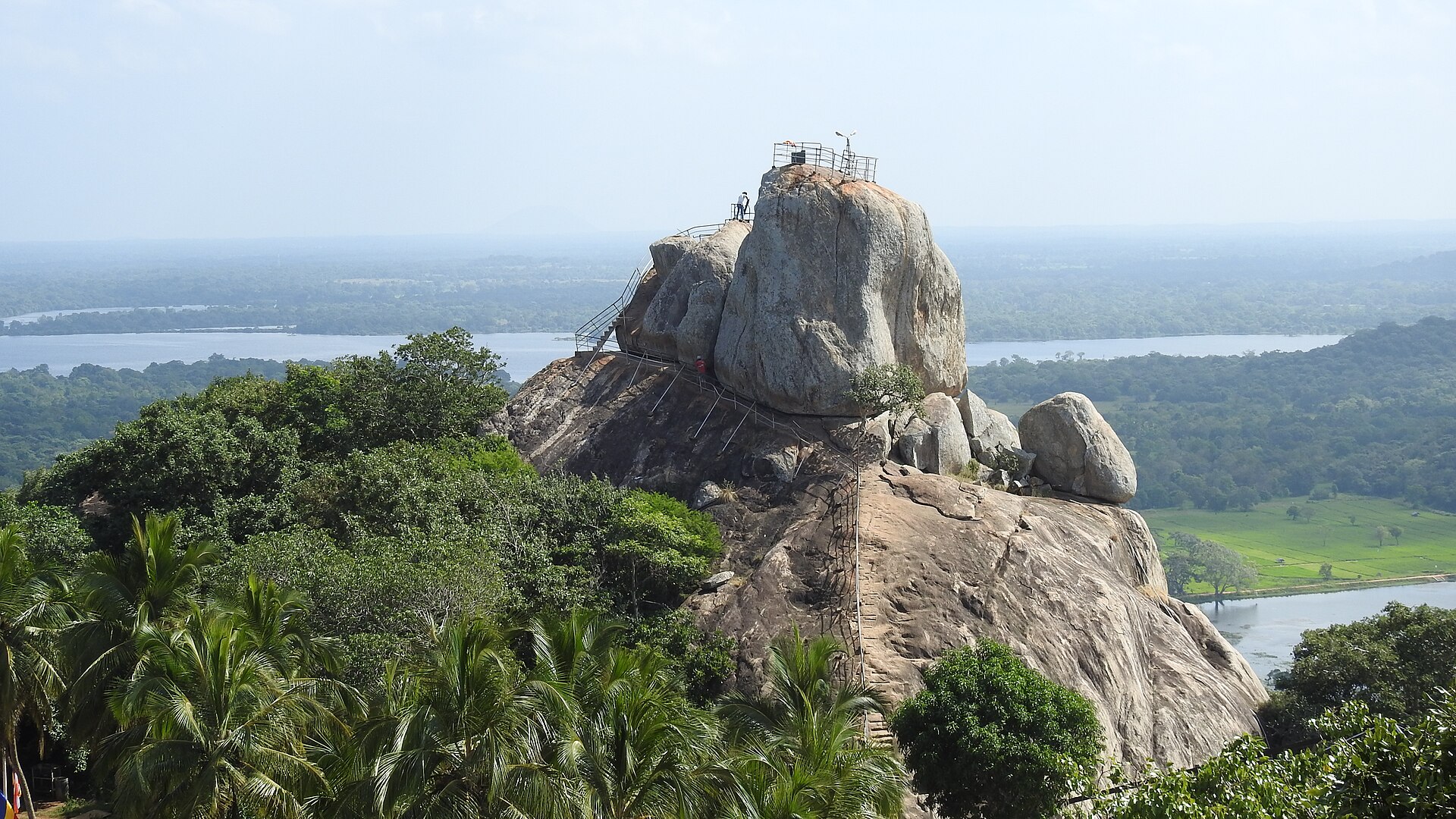
Mihintale sits a short distance from central Anuradhapura and marks the spot where Buddhism is said to have first reached Sri Lanka, when the monk Mahinda met King Devanampiya Tissa here in the third century BC. A long stone staircase climbs toward several small stupas and shrines along the ridge.

It’s a natural half-day extension for anyone with time beyond the main Anuradhapura sites, and the climb offers views over the surrounding dry-zone landscape that the flatter city sites don’t provide. Many pilgrims treat Mihintale as a pairing with Anuradhapura rather than a separate destination.

Mihintale rock near Anuradhapura

How to Get Around Anuradhapura’s Ancient City

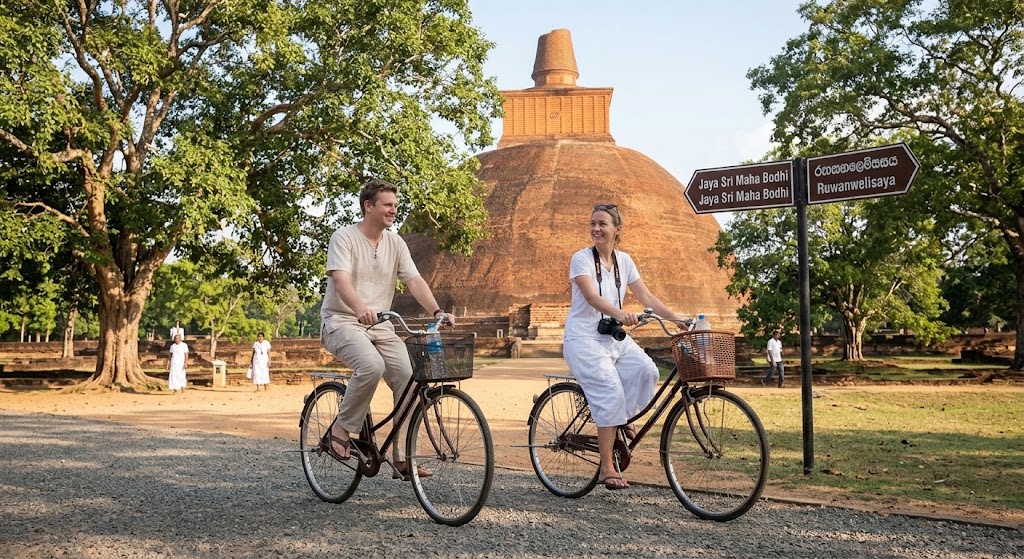
Anuradhapura’s sites are spread across a wide area, similar in scale to Polonnaruwa, and cycling or hiring a tuk-tuk for the day is the practical way to cover the main stops without exhausting yourself in the heat. Bikes are available to rent near the main entrance points.

Anuradhapura sits roughly four to five hours from Colombo by road or rail, and one to two days is generally enough to see the core sites, though pilgrims and history enthusiasts sometimes extend their stay for deeper cultural immersion.

Cyclists riding past a stupa in the ancient city of Anuradhapura

Anuradhapura carries over two thousand years of continuous devotion, and its Bo Tree and stupas reward visitors who move slowly and dress respectfully. Planning a Cultural Triangle trip that includes Anuradhapura? MaRadha Colombo can help you build the route.

Unlock the ultimate luxury experience at MaRadha Colombo!

Enjoy 15% OFF when you book today with promo code maradha0345, plus exclusive perks:

MaRadha Colombo offers breathtaking landscapes, exquisite amenities, and an extraordinary experience for every traveler.